The mountains of Snowdonia do not punish bad luck nearly as often as they punish poor preparation.
That is the uncomfortable truth behind most rescues here. The volunteer teams that cover Eryri are among the busiest in Britain, and the people they carry off the hill are rarely unlucky.
They are, far more often, underprepared for a mountain that looked friendly from the car park.
The good news is that the mistakes are predictable. Avoid a handful of them and you have done most of the work of staying safe.
Who actually comes when you call
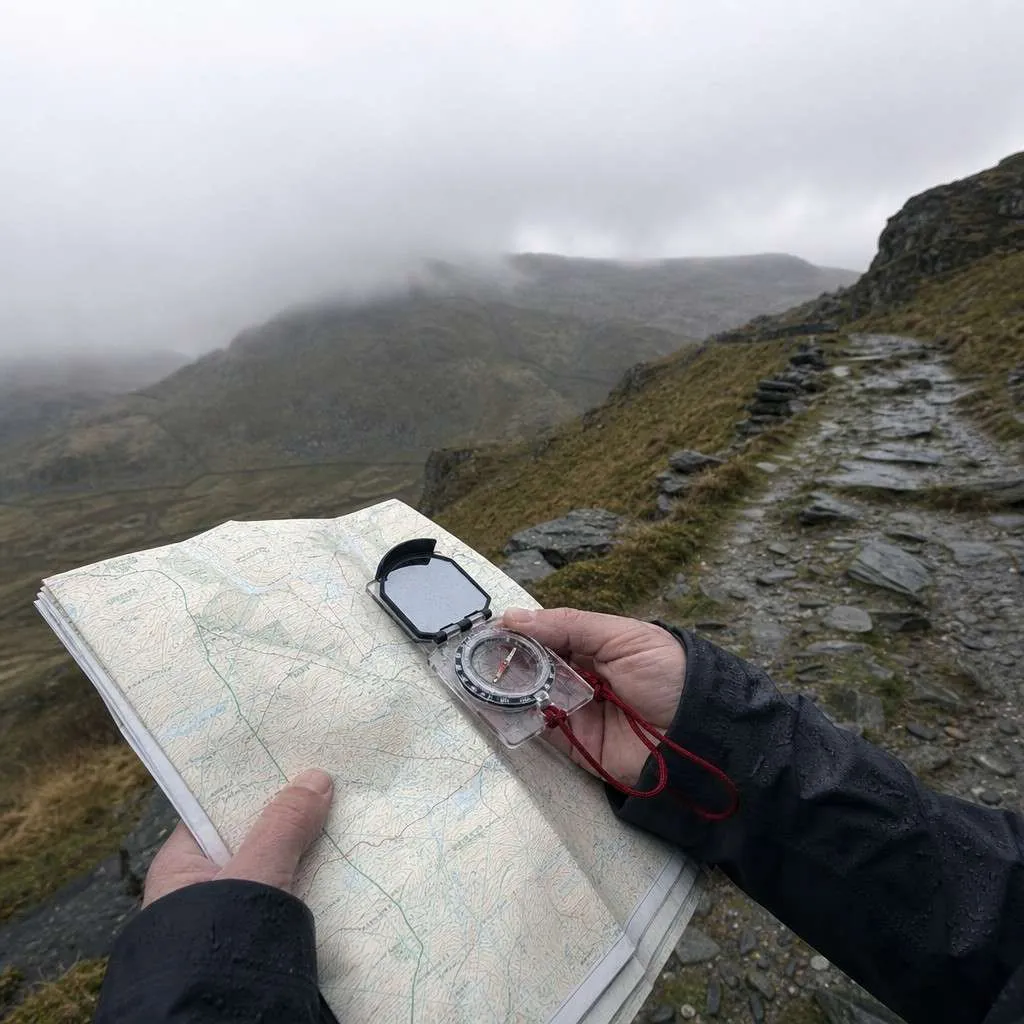
When something goes wrong on Snowdon, the people who come for you are unpaid volunteers with day jobs, who drop everything to climb the mountain in the weather you just got caught in.
Teams like Llanberis Mountain Rescue and the Ogwen Valley Mountain Rescue Organisation are on call 24 hours a day, all year, and they are among the most stretched in the country.
That is worth holding in your head before you set off. Every avoidable call-out is a volunteer’s evening, or a volunteer’s safety, spent on a problem you could have prevented.
Most call-outs are avoidable
This is also the aim of the Adventure Smart Wales campaign, which exists to cut the number of avoidable incidents and ease the pressure on those volunteer teams.
So what counts as avoidable? It comes down to the same few mistakes, again and again.
The descent catches more people than the climb
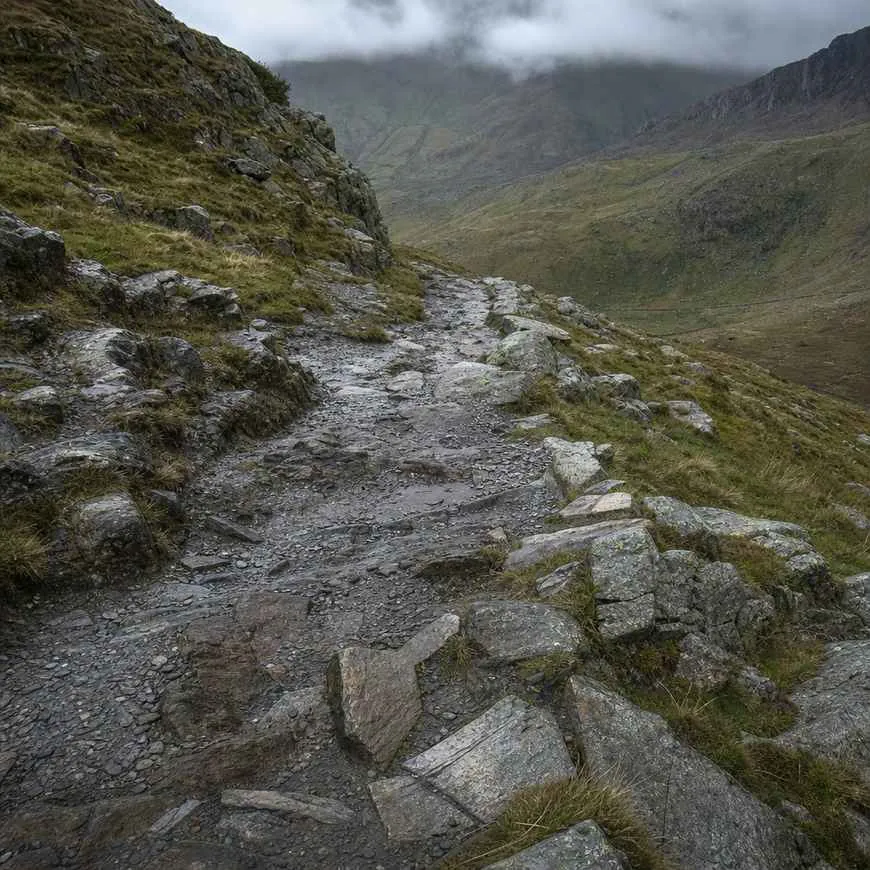
Ask any rescue volunteer when accidents happen and the answer surprises beginners.
Most slips, trips and lower-leg injuries happen on the way down, not on the way up. Tired legs, a false sense that the hard part is over, and a rush to get back all stack up on steep, rocky ground.
Going down is when to slow down, shorten your stride, and watch your feet. The summit is only halfway.
Getting lost in cloud is the classic Snowdon mistake
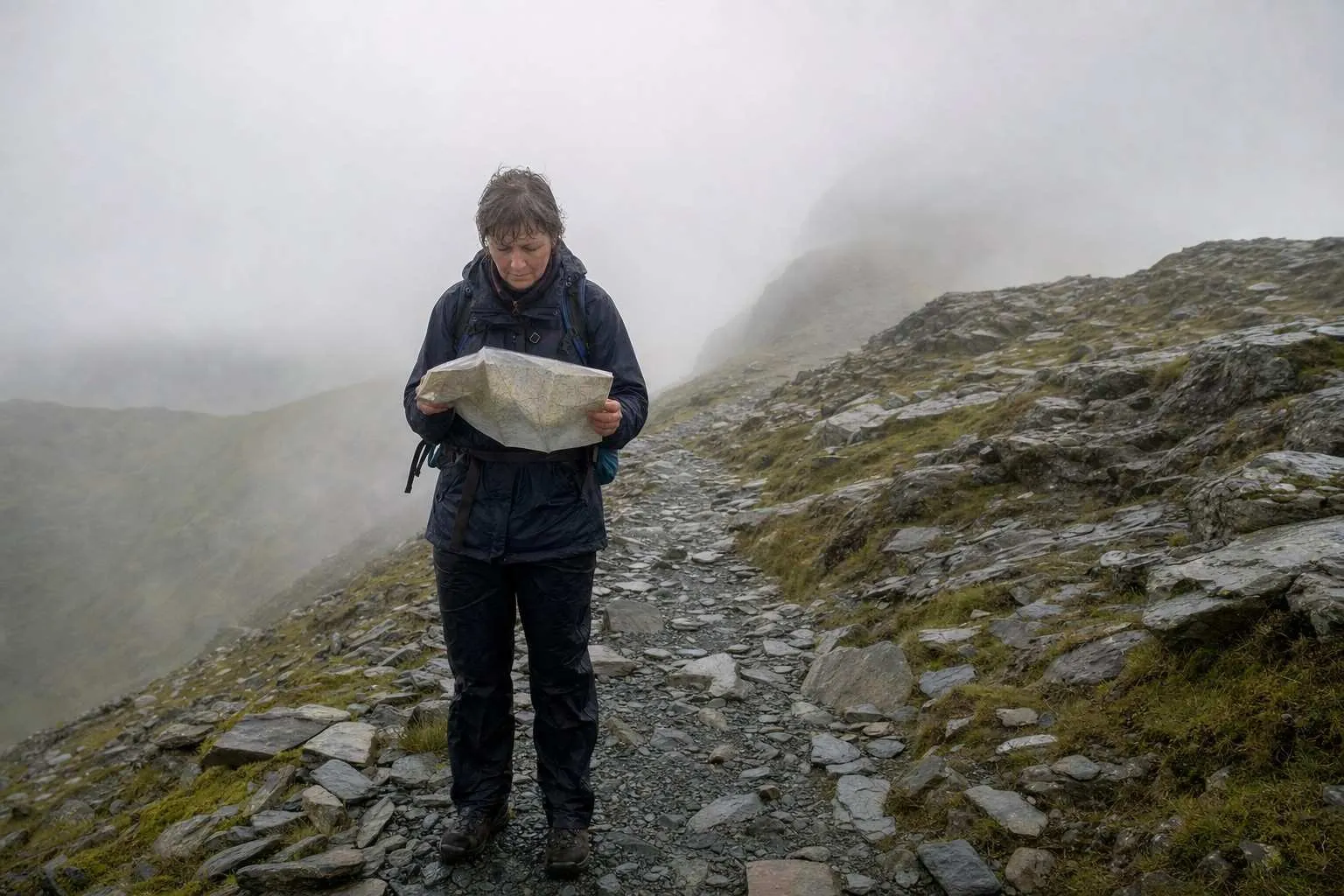
On a clear day the busy paths are obvious. Drop the cloud onto the summit, which happens often, and it is a different mountain.
Walkers who rely on their phone for navigation are the ones who get lost when the mist comes down and the battery dies in the cold. Phones fail; paper does not.
Carry a map and compass and know the basics of using them. If you cannot navigate in poor visibility, pick a clear day and an obvious path, and turn back if the cloud beats you to the top.
Being underequipped turns a problem into an emergency
A twisted ankle on a warm, dry hillside is a slow, miserable walk down. The same ankle in driving rain and wind, with no warm layers, is a genuine emergency.
The kit you carry is not for the walk you planned. It is for the walk that goes wrong.
Waterproofs, warm layers, food, water, and a way to call for help are what keep a setback from becoming a rescue. The lot is covered under what to pack for a day in Snowdonia, without the upsell.
Running out of daylight
Plenty of call-outs are simply people caught out by the dark, moving too slowly to finish before the light goes.
Start early, know roughly how long your route should take, and carry a head torch even on a morning walk. Set a turnaround time before you leave, and stick to it even if the summit is tantalisingly close.
The crowds are part of the picture
There is a reason the teams here are so busy. More than half a million people walked up Snowdon in 2022, and the busiest honeypot routes naturally generate the most incidents.
If you want the numbers behind that, how busy Snowdon really gets lays them out. The short version: a quieter route on a sensible day is not just more pleasant, it is usually safer.
The three questions before you go
Adventure Smart Wales boils prevention down to three honest questions. Ask them before every walk.
- Do I have the skills for today? Be truthful about your experience and your group, not the walk you wish you could do.
- Do I know what the weather will be? Check the mountain weather forecast, not the valley one, and read it properly.
- Do I have the right gear? Footwear, waterproofs, warmth, food, and a way to navigate and call for help.
Three yeses, and you are most of the way to a safe day.
Then check it all fresh on the day you go. The mountain weather, path conditions, parking and transport can all change quickly.
Look at the latest forecast and the current route and access information from the Eryri (Snowdonia) National Park before you set off, not days in advance.
A path repair, a closed car park, or a forecast that has turned can all change your plan.
If it does go wrong
Even well-prepared walkers have accidents. If you need help, dial 999, ask for the Police, then Mountain Rescue.
If you can, stay where you are, keep as warm and sheltered as possible, and keep your phone battery for the call. Do not be afraid to ring.
Rescue teams would far rather come out early than be called too late.
But the kindest thing you can do for those volunteers is simple. Plan the walk, check the weather, pack the kit, and turn back when the mountain tells you to.
We compile and explain public route and safety information. We guide nobody and sell nothing on the hill.
Stay off the call-out list, and you let them rest for the walker who truly could not have avoided it.