You do not need a small fortune in gear to walk in Snowdonia.
You do need the few things that keep a good day from turning into a bad one when the weather changes. And in these hills, the weather changes.
A warm, still car park can sit below a summit that is ten degrees colder, wet, and blowing hard.
So pack for the mountain you might get, not the one you can see from the road.
Footwear comes first
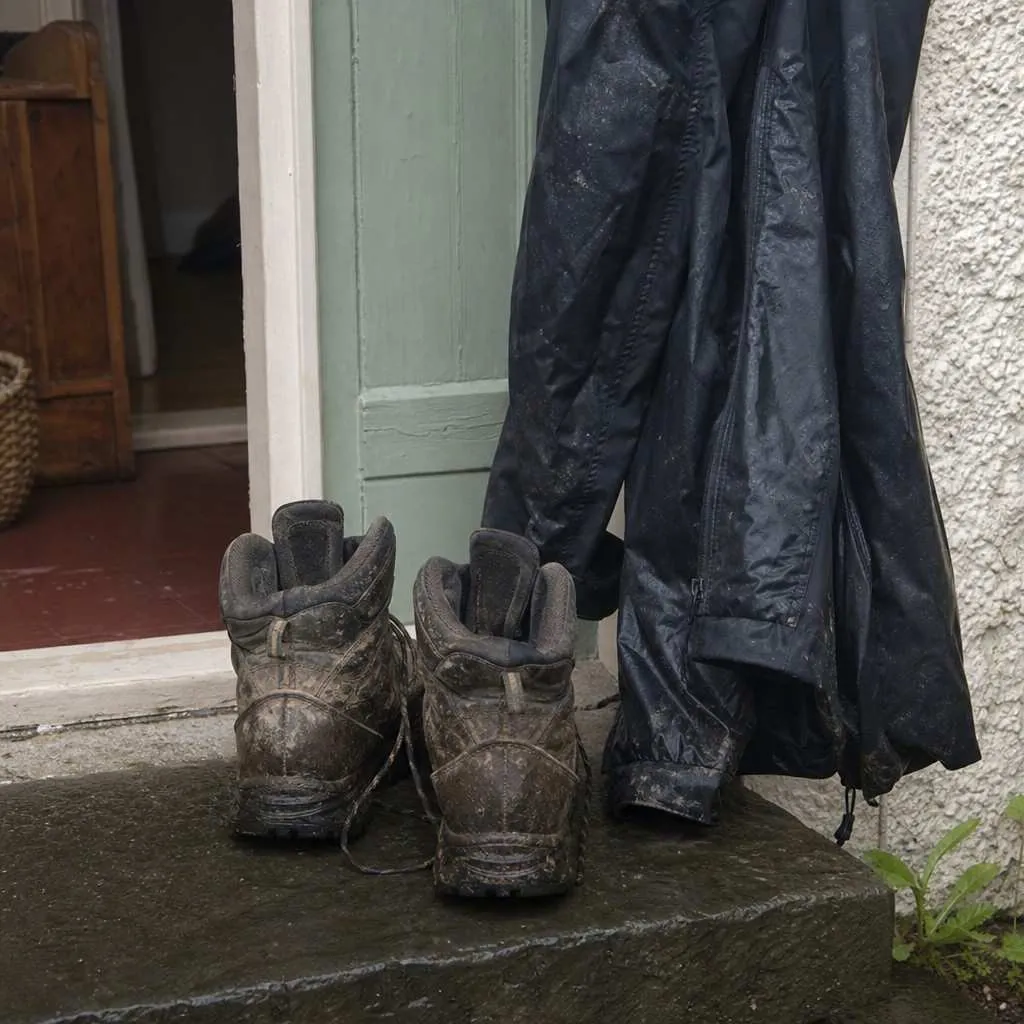
If you spend money on one thing, spend it here.
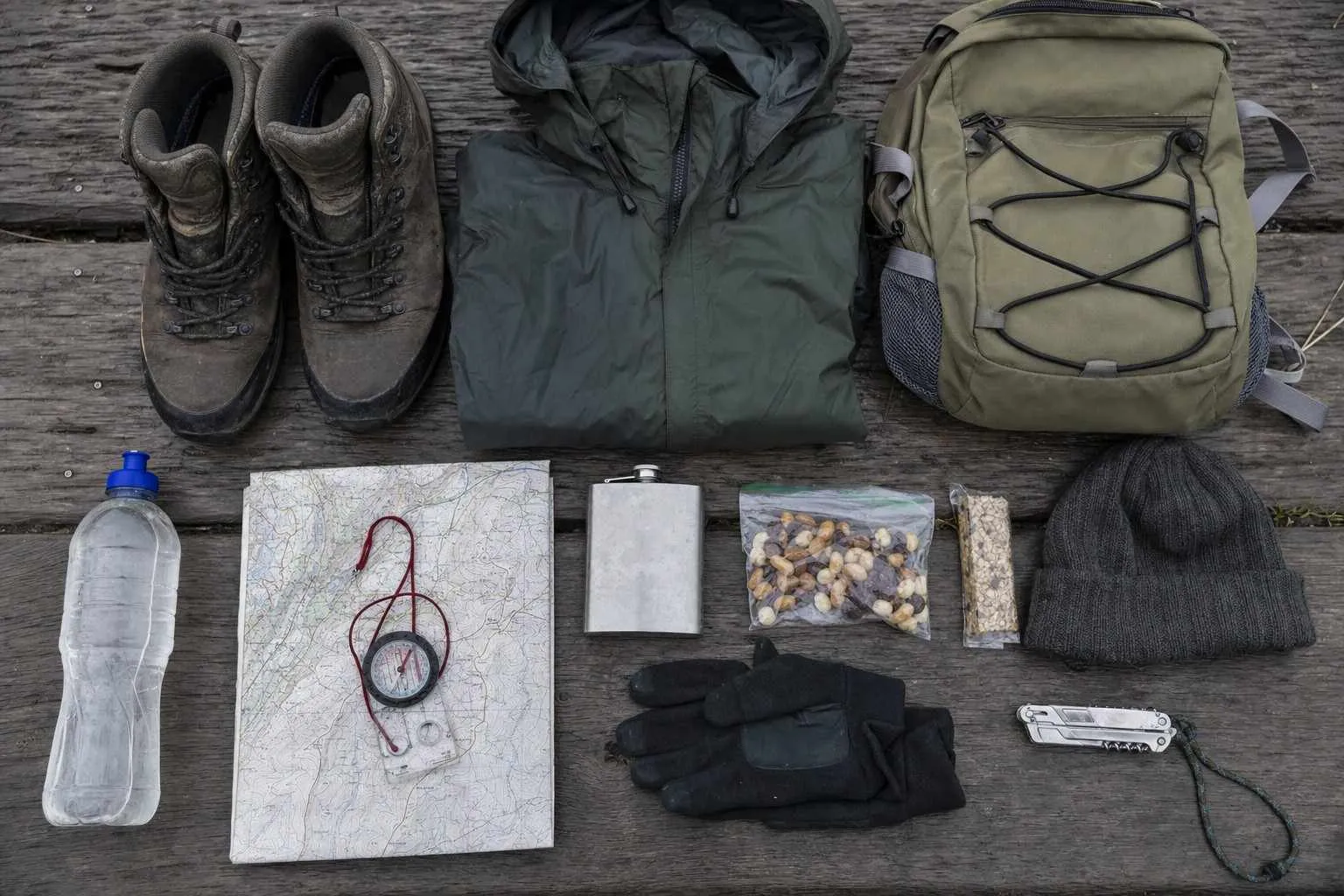
You want boots or sturdy trail shoes with a proper grippy sole. Snowdonia paths are rocky, often wet, and slippery on the descent, which is when most slips happen. Smooth-soled trainers are the single most common mistake on the hill.
Worn in, not brand new. A long walk is no place to discover where your boots rub.
Waterproofs, even on a dry forecast
A waterproof jacket is not optional in Wales. Nor are waterproof overtrousers if rain is likely.
Welsh mountain rain arrives sideways and stays, and being wet through high up is how walkers get cold fast. A decent waterproof packs down small and lives in the bottom of your bag for the day you need it.
If you are starting from scratch, the pick on that page is the Berghaus Deluge Pro 3.0, on the rating Berghaus publishes for it.
The Amazon link above is an affiliate link. Should you buy through it, a small commission comes back to the site, and your price stays as it was.
You do not need the most expensive one on the shelf. You need one that actually keeps the rain out and has a hood.
Warm layers
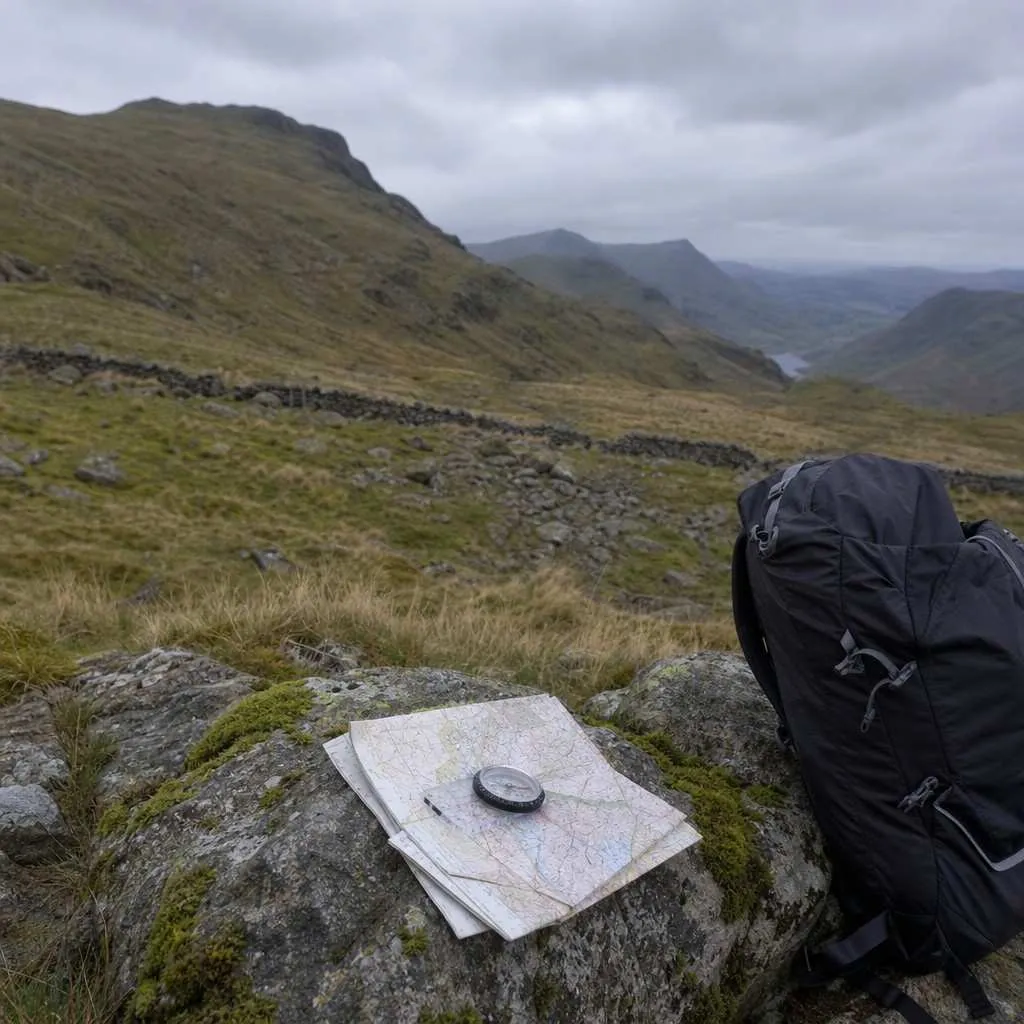
The summit is colder than the start. Always.
Carry a warm mid-layer, a fleece or similar, even in summer.
The trick is layering: add and remove as you warm up on the climb and cool down at the top, so you never get soaked in sweat or chilled at a standstill.
A rough rule for Snowdon: it is often around six to eight degrees colder on the summit than at the car park, before you add the wind.
Food and water
Bring more than you think you will eat.
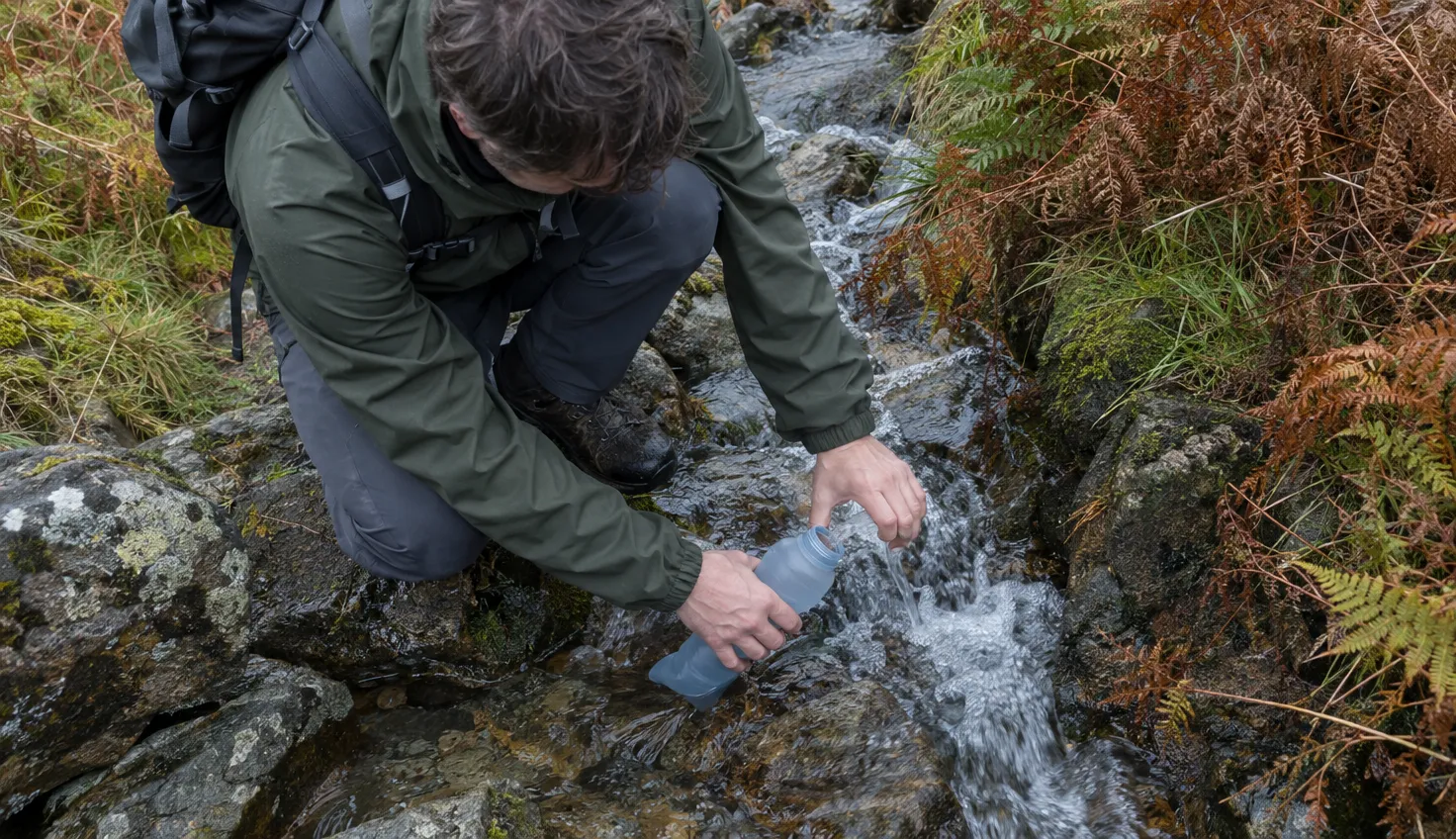
- Water: a litre at least, more on a warm day. A filter bottle lets you refill from a stream if you run short.
- Lunch, plus a couple of extra snacks for energy on the climb.
- Something sugary kept in reserve, for the moment someone in the group runs out of energy.
A flask of something hot is a small luxury that feels enormous on a cold, damp summit.
A way to find your way
Phones are useful, but signal is patchy in the hills and batteries die in the cold.
Carry a paper map and a compass, and know the basics of using them. A map on your phone is a fine backup, not a plan on its own.
Many call-outs to Mountain Rescue start with a walker who took a wrong turn in cloud with a dead phone and no map.
The small things worth packing
None of these weigh much, and each has saved someone a miserable afternoon:
- A small first-aid kit, including blister plasters.
- Hat and gloves, even in summer.
- Gaiters, if the path is likely to be boggy or the bracken wet.
- Sun cream and sunglasses, because cloud does not stop you burning.
- A head torch, in case you are slower than planned and the light goes.
- A fully charged phone, carried somewhere warm.
- A group shelter if you are walking in a group, to sit out bad weather rather than walk through it.
What you can leave at home
You can leave plenty at home, despite what the shops suggest.
You do not need walking poles for the main paths unless they help your knees, you do not need a 60-litre rucksack for a day walk, and you do not need the wall of gadgets the shops sell.
A 20 to 30 litre pack holds everything above with room to spare.
Pack sensibly, then turn your attention to the day itself.
We compile and explain public route and safety information. We guide nobody and sell nothing on the hill.
Check the mountain weather before you go, and if you are still deciding your route, which path up Snowdon suits you will help you match the walk to your group.