Most people walk at the same pace, on the same route, at the same gentle effort.
Then they wonder why it starts to feel a bit pointless.
The walk is not the problem. A few small changes to how you do it make a real difference to what you get out of it.
Walk briskly enough to notice
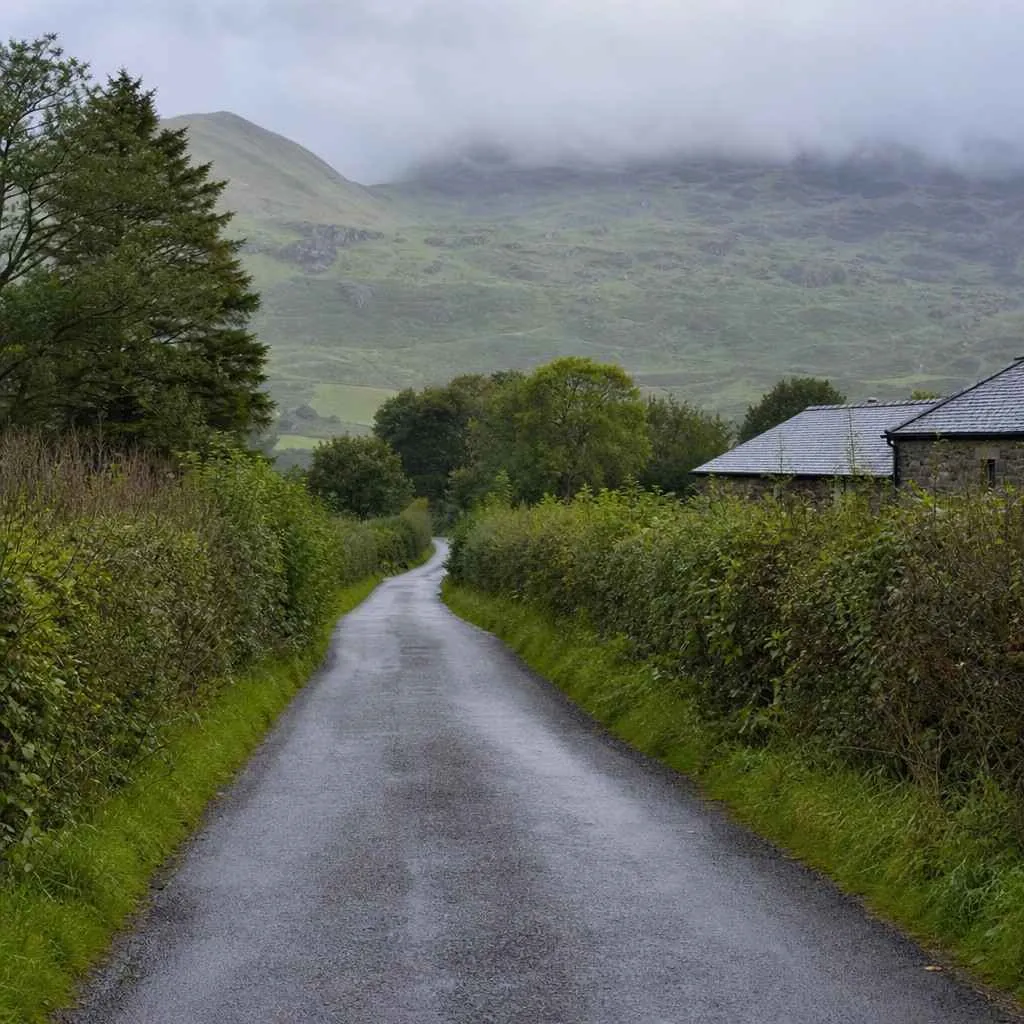
The single biggest change most people can make is to pick up the pace a little.
A stroll is pleasant. But if your breathing does not change at all, you are not asking much of your heart and lungs.
The test is simple. You should be able to hold a conversation but not sing. If you can sing out loud comfortably, walk a little faster. If you cannot finish a sentence, slow down.
That middle level of effort is the one that does you good.
Guidelines from the NHS, the UK’s publicly funded health service, suggest around 150 minutes of moderate activity a week for adults. A brisk daily walk gets you there without a gym membership or any special equipment.
Straighten your posture
Most people walk slightly hunched without noticing. Hunched shoulders, head down, weight slightly back.
Walk tall: head up, shoulders relaxed and slightly back, arms swinging loosely from the shoulder.
Your stride naturally lengthens when your posture is better, and you breathe more easily too. It takes about a minute to feel the difference and about a week to stop having to think about it.
Add variety before you add time
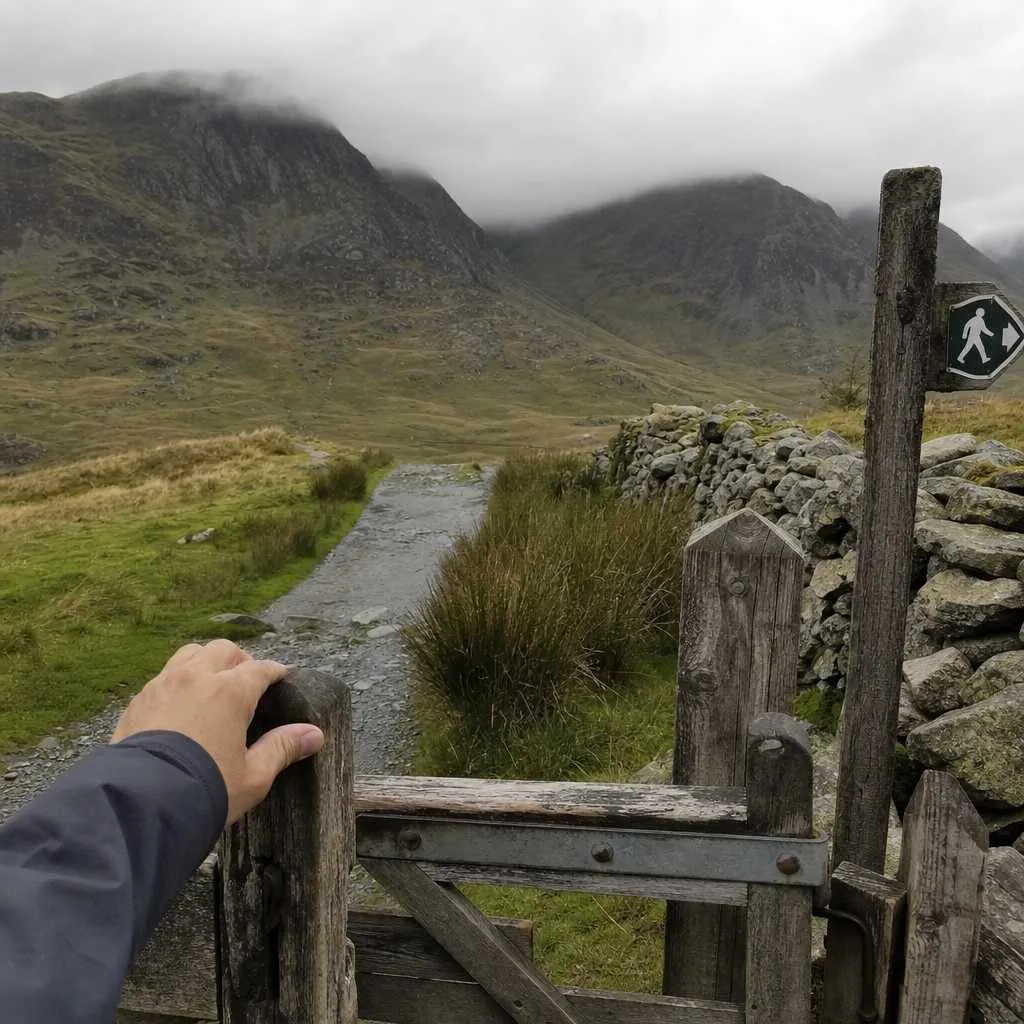
The same flat loop every day is fine for building a habit. It stops being a challenge fairly quickly.
Gentle hills are the simplest upgrade.
You do not need a mountain. A road with a rise in it, a park with a slope, a canal bank that climbs over a bridge. Going uphill asks more of your legs and lungs without needing a longer walk.
Varying your route helps too. Different surfaces and gradients use slightly different muscles. A pavement walk and a field-path walk are not the same walk, even at the same pace.
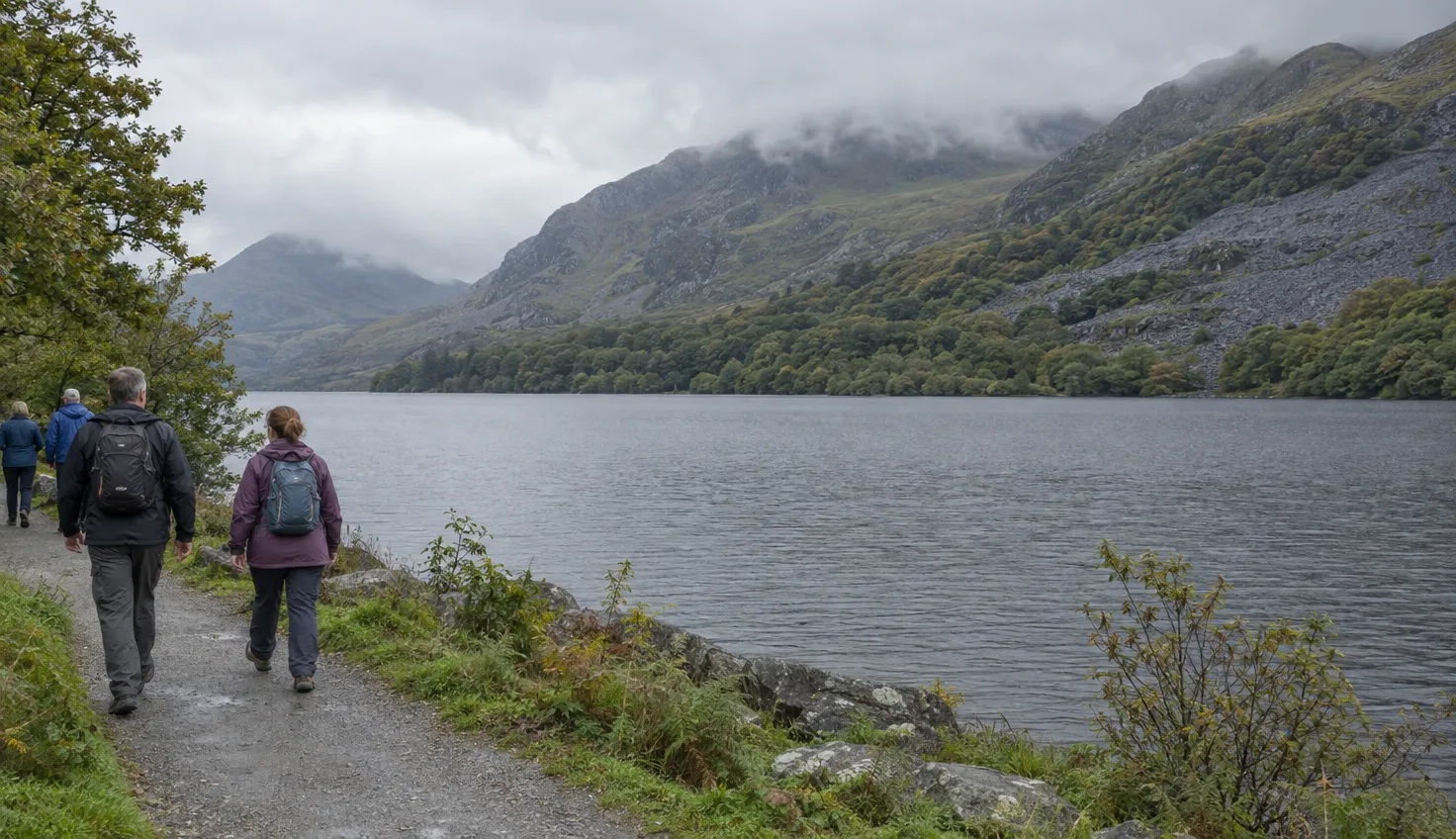
If you want to take that further, beginner-friendly walks in Snowdonia are a good step up from flat ground when you are ready for real hills.
Try short faster bursts
A few harder bursts scattered through a half-hour walk give you more than the same time at one steady pace.
Walk hard for a minute or two, settle back to recover, then push again. You do not need to time it precisely.
Push a bit harder on the uphill, or set yourself a lamp post to lamp post target. That is all it takes.
Try it once and you will feel the difference by the end of the walk.
Pick a consistent time of day
Walking at the same time every day is how a habit sticks. The decision goes away, and the walk just happens.
After meals works well for many people. A ten-minute walk after eating is easy to build in.
Morning walkers tend to get it done before the day gets in the way. Evening walkers use it to relax after work. Neither is wrong.
Being consistent matters more than the time of day.
Wear footwear that fits
This one sounds obvious. A lot of people walk in old trainers that have long since lost their support, or shoes that rub after twenty minutes.
Comfortable feet make the walk better. You walk more naturally, go further, and come home without blisters.
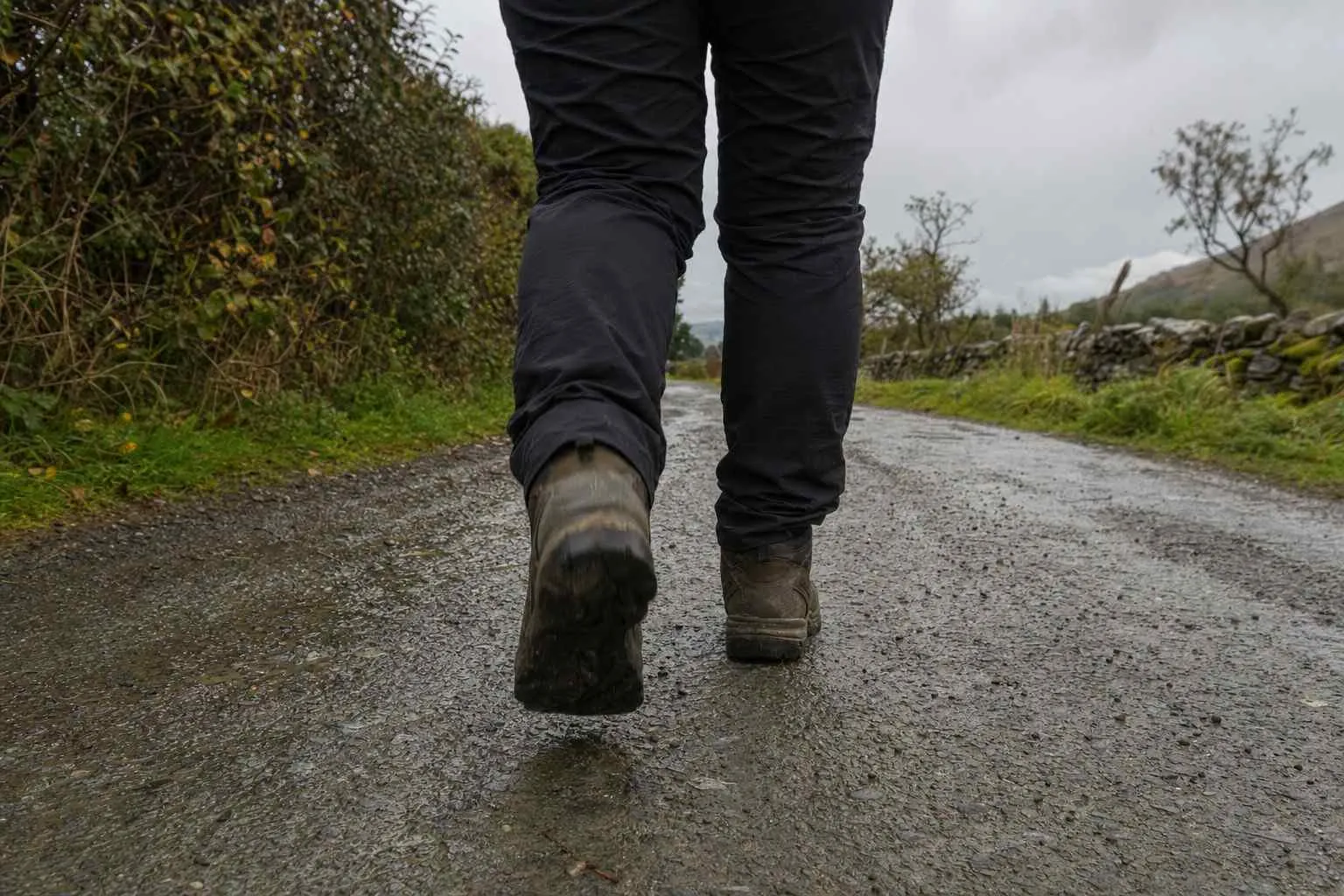
You do not need expensive specialist kit for everyday walking. Decent trainers with good grip and cushioning are fine for pavements and gentle paths.
If you are planning walks on rougher ground or in wet weather, proper walking boots are worth looking at. You can compare walking boots on Amazon to get a sense of what is available.
The Amazon link above is an affiliate link. Should you buy through it, a small commission comes back to the site, and your price stays as it was.
Make it something you want to do
Effort is easier when you are not watching the clock.
A podcast, an audiobook, a phone call with someone you have been meaning to catch up with. Music works for some people; others prefer the quiet.
Walking with someone even once a week changes the dynamic. You are less likely to shorten the route and more likely to keep going.
A route with trees, water, or any open sky tends to feel shorter than it is.
Build gradually and keep the habit
The biggest gains come in the first few weeks of walking regularly.
Add a little at a time, and change one thing at a time. If twenty minutes feels easy, make it twenty-five. If your flat route is comfortable, find one with a gentle climb.
Small steps add up over weeks.
If you have been fairly sedentary until now, getting into walking when you have been sitting too long covers how to start without overdoing it and what to expect in the early weeks.
The improvements come quietly. The same walk that left you breathing hard in week one will feel easy by week four.
We compile and explain public route and safety information. We guide nobody and sell nothing on the hill.
That is the signal to add a bit more.