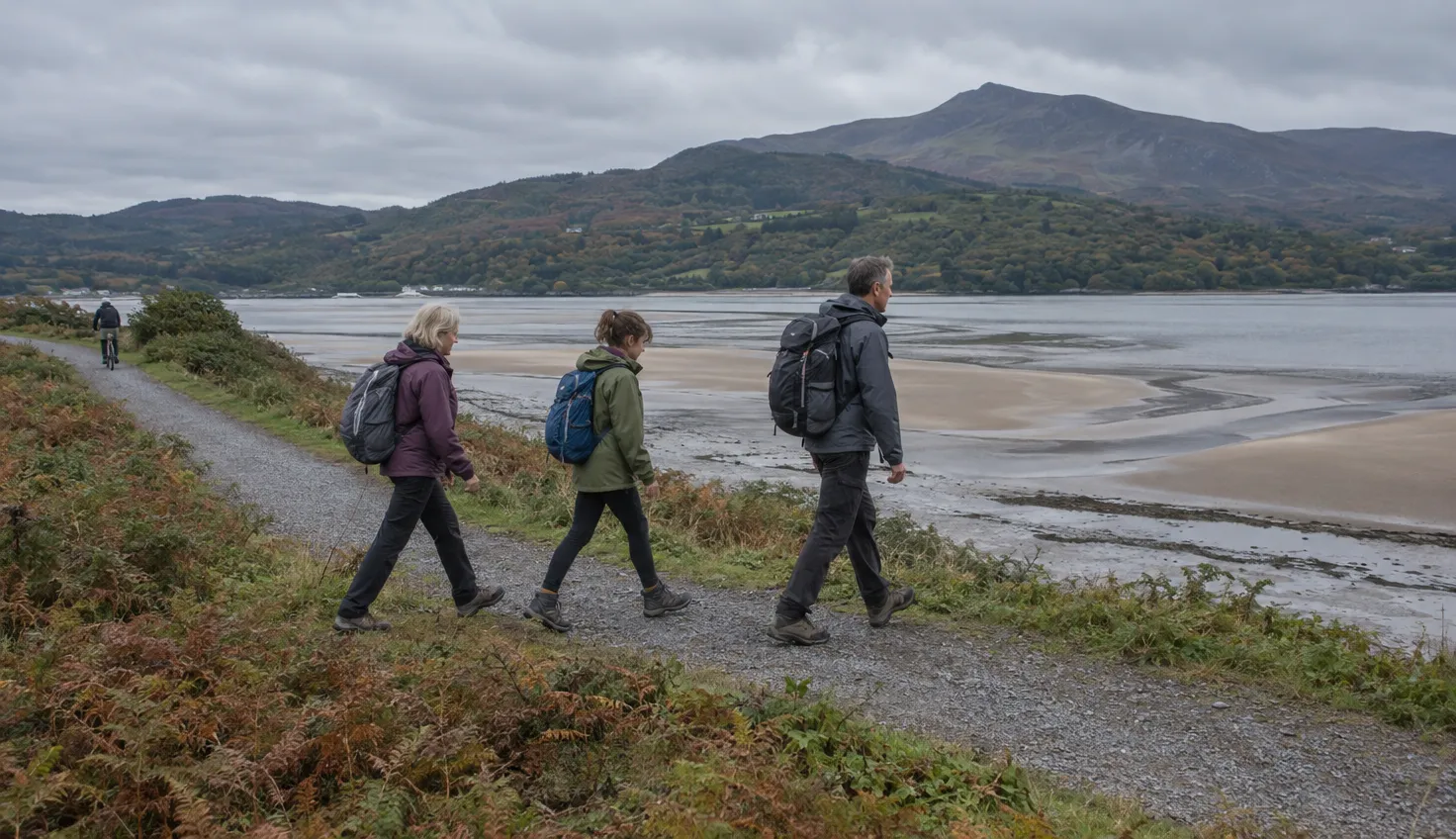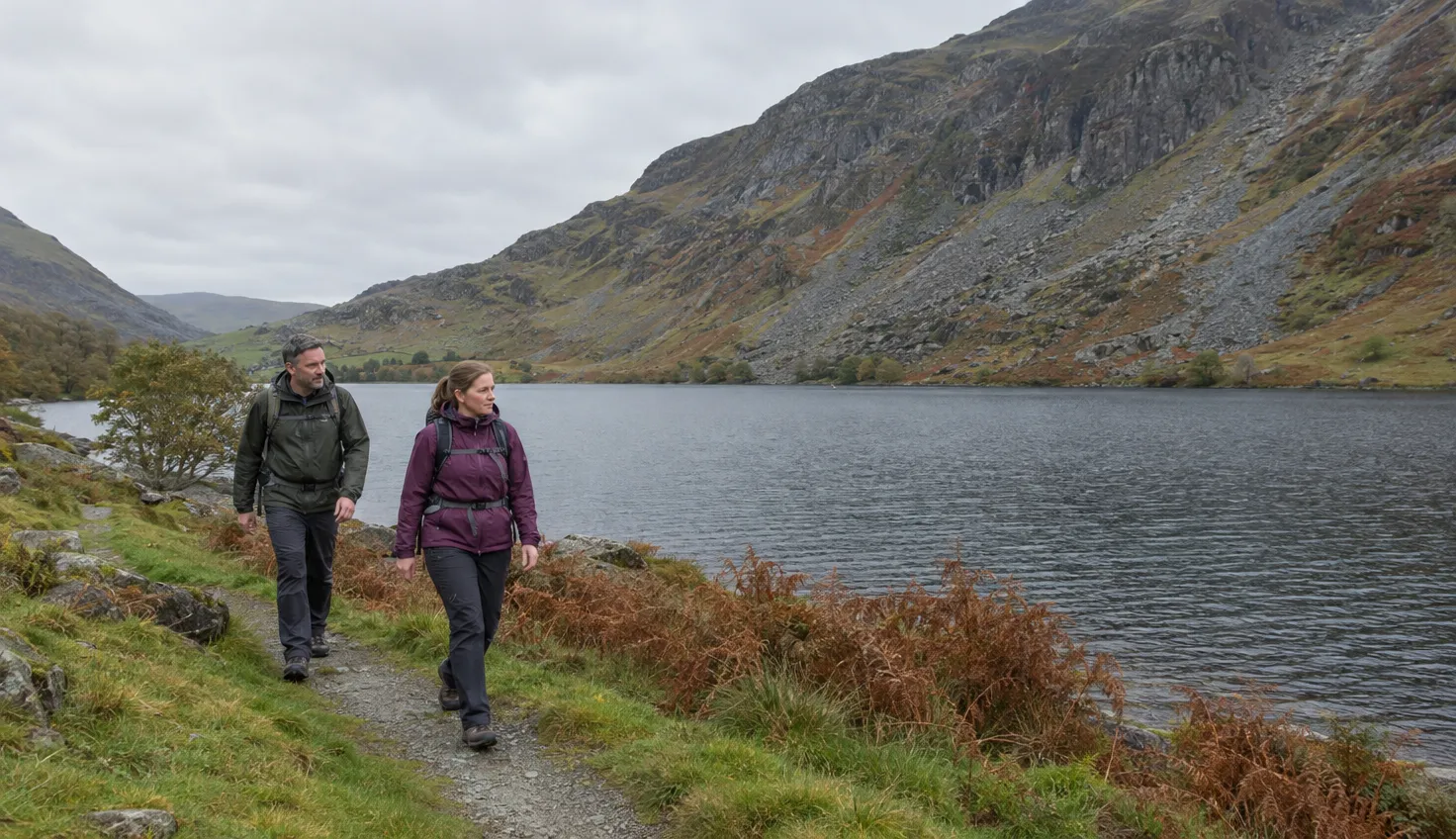
If you sit most of the day, start with ten minutes of walking and build up from there.
A goal of at least 10 minutes at a time can work well as a first target for people starting from low activity.
Each extra minute does proportionately more good for people doing fewer than 30 minutes a week.
You need no gym and no experience. Any comfortable, supportive trainers that do not cause blisters will do.
Speak to your GP first if you have not exercised for some time or have a medical condition.
A first month, week by week
Start at ten minutes and add five a week. The Chief Medical Officers call starting low and building up as your body adjusts the safest way to go from inactivity to the guidelines.
- Week 1: 10 minutes, on five days.
- Week 2: 15 minutes, on five days.
- Week 3: 20 minutes, on five days.
- Week 4: 25 minutes, on five days.
From week five, 30 minutes on five days adds up to 150 minutes a week. Treat these minutes as a simple plan, not an official schedule, and hold a week steady if it feels like too much.
Week one is already worth doing.
The biggest health gain comes from moving from inactive to fairly active, even below 150 minutes a week.
Fit it into a desk day
Break up long spells of sitting with at least light activity, as the Chief Medical Officers advise.
A 2022 review of seven one-day trials, mostly in adults who were overweight or had obesity, looked at light walking breaks. Walking lowered blood sugar and insulin after meals compared with sitting on, and beat standing breaks.
Pick the slot you will keep. A lap after lunch or a stroll after dinner are both easy slots to keep.
Walking part of your journey to work counts too, and daily travel is often the easiest way in.
The easiest way to walk more is to make it a habit. A few things that help:
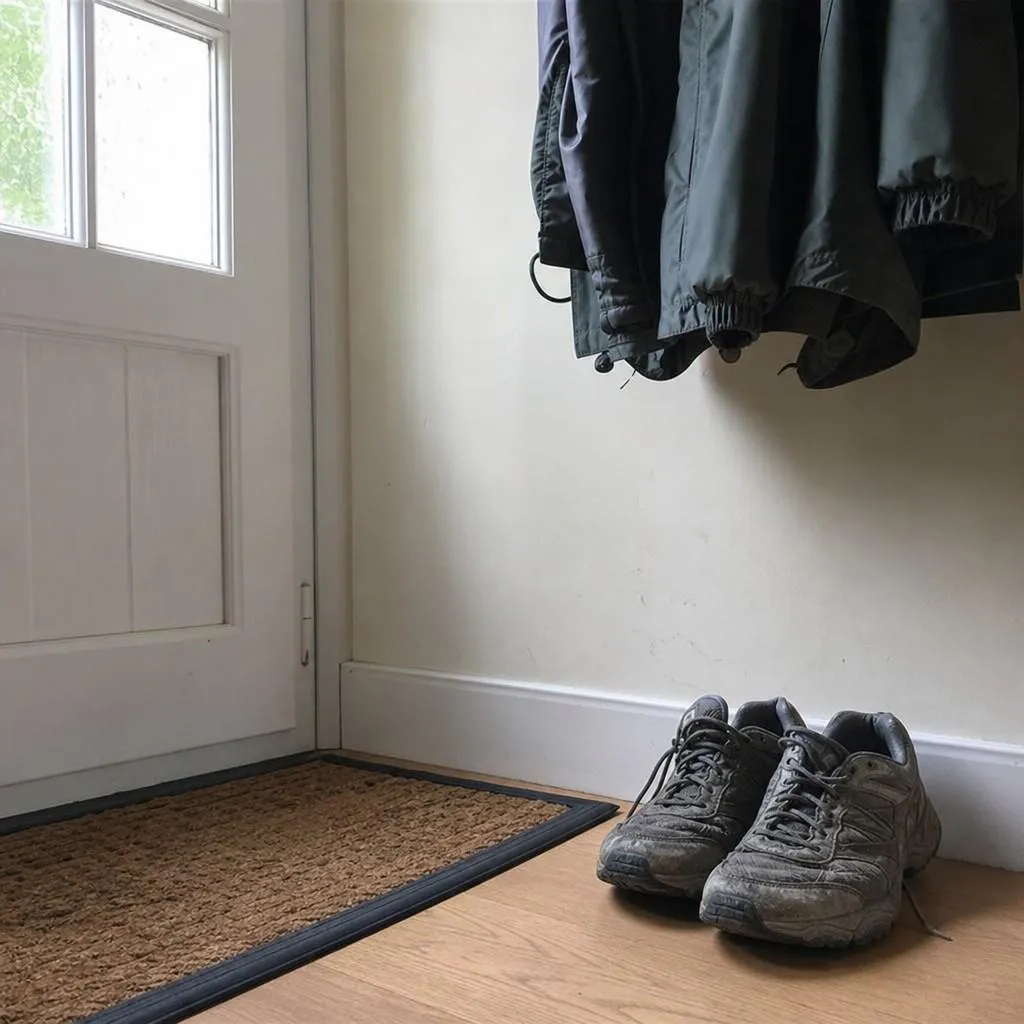
- Lay your shoes by the door the night before.
- Walk with someone, even once a week. Walking in a group helps you stay motivated.
- Tick off each walk on a calendar. A row of ticks is its own reward.
Miss a day? One missed walk is nothing.
Just go the next day.
How hard to walk, and how much
Adults are advised to do at least 150 minutes of moderate intensity activity a week, according to the NHS. That works out at just over 20 minutes a day, or 30 minutes on five days.
It is a target to build towards, not a test to pass. Small walks under 10 minutes count towards your week as well.
“Moderate” means you can still talk but not sing. If you can sing, pick up the pace a touch. If you cannot say more than a few words without pausing, ease off.
A brisk walk is about 3 miles an hour, which is faster than a stroll. The free Active 10 app on your phone tells you when you are walking fast enough.
What regular activity gives you
Regular exercise has moderate beneficial effects on sleep quality, according to a meta-analysis of 66 studies.
Physical activity can also boost self-esteem, mood and energy.
Where to walk
Parks, canal towpaths and riverside paths all work, as long as you feel safe and can turn back easily. Start flat and familiar.
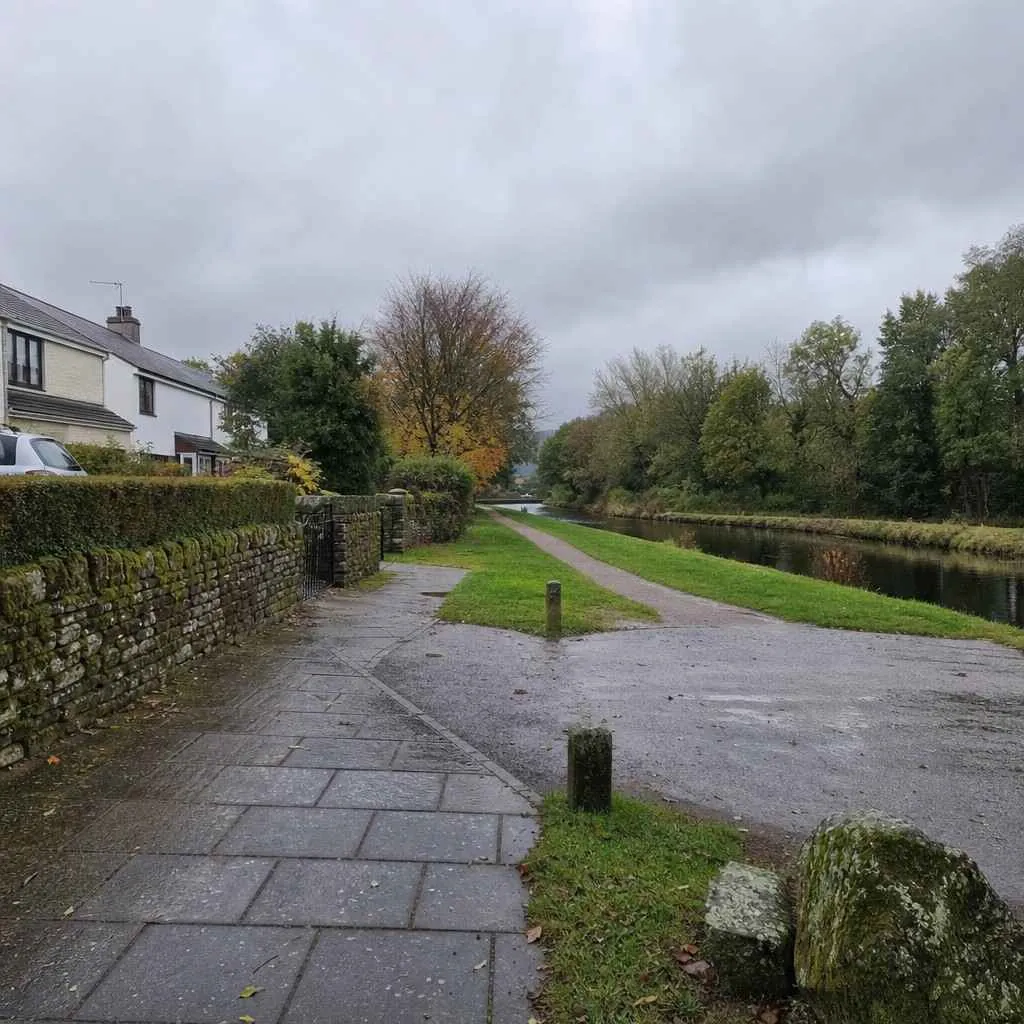
Once a half-hour walk feels comfortable, you can add gentle gradients and softer ground. Increase your walking distance gradually.
There is more on getting more out of your daily walk, including how to build from there.
When flat walks start to feel too easy, hills are the next step. A handful of beginner-friendly walks in Snowdonia make a gentle, scenic step up from the pavement when you are ready for one.
You do not have to start with a mountain.
We compile and explain public route and safety information. We guide nobody and sell nothing on the hill.