Getting outside with your children does not have to be complicated.
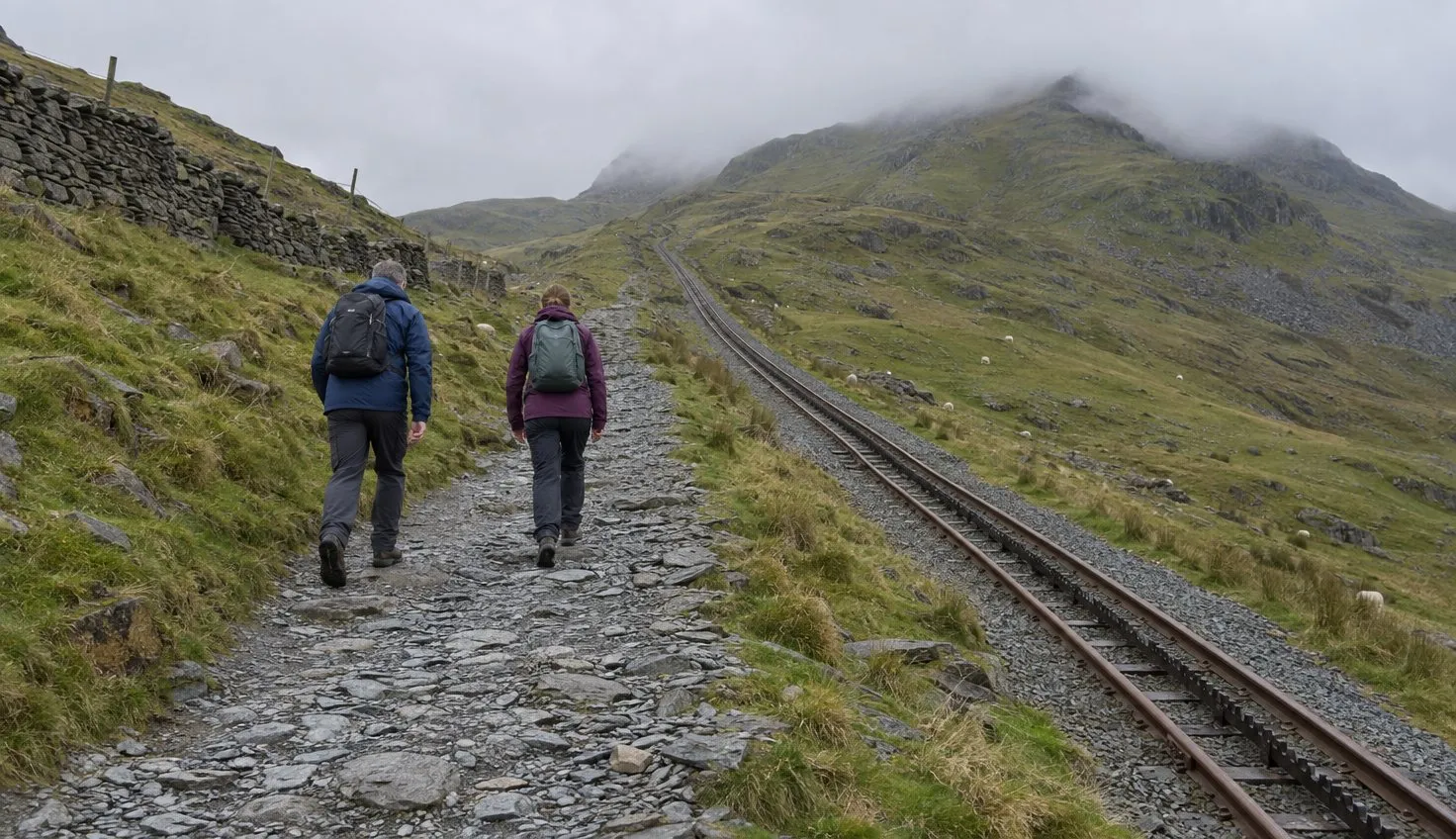
A walk in the Welsh hills gives kids room to run, scramble, and splash through puddles in a way that a living room and a screen will never offer.
It gives adults a break from the noise of daily life too.
This page sets out the real reasons it is worth making the effort, and how to start if your children are young, your fitness is patchy, or you have never walked the hills before.
Physical activity
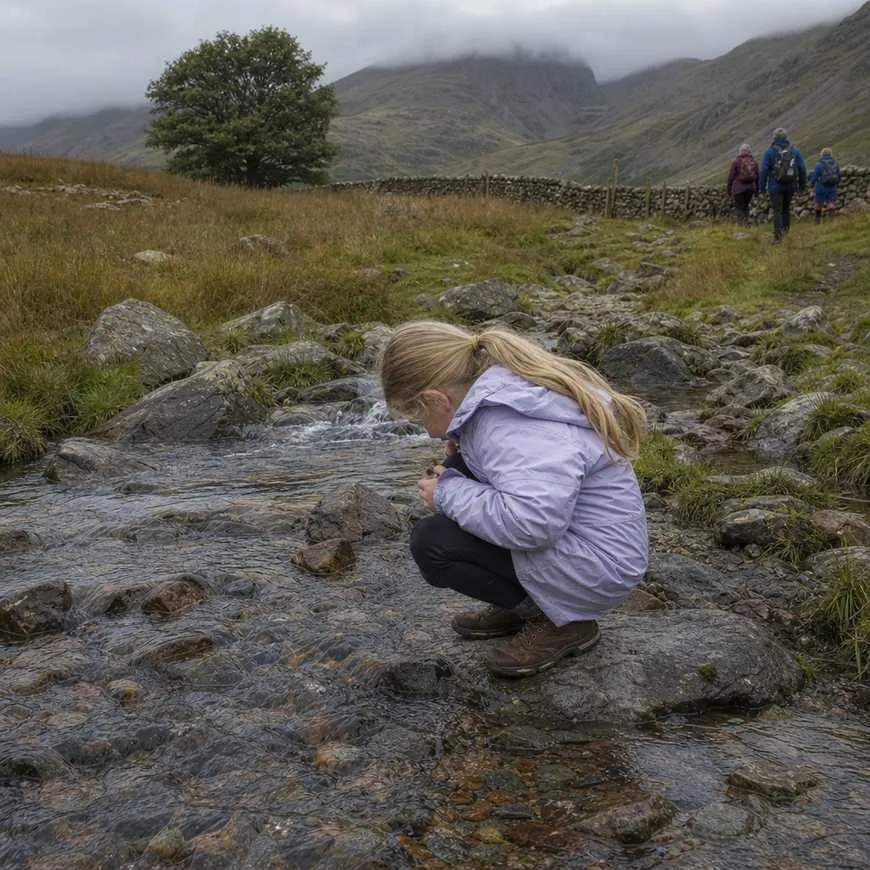
Regular movement outdoors makes a difference to how children and adults feel day to day.
That is not a dramatic claim. People who spend more time on their feet, especially outside, tend to move better, sleep better, and report better general wellbeing.
Children benefit from regular active time outdoors.
A walk on varied terrain: paths, grass, slope, stone: works muscles and balance that flat tarmac does not.
Carrying a small rucksack, picking a path through wet rock, or climbing a stile are genuinely useful physical challenges in a way that formal exercise rarely is for young children.
For adults who spend most of their day sitting, a gentle introduction to walking on slopes is one of the easiest ways to build back some activity without anything that feels like a gym.
What the outdoors does for mood
Time in green space is widely linked to lower stress, better mood, and a clearer head.
That is not specific to mountains, a park works too, but the hills offer something a park does not quite match: the sense of being somewhere that is not organised for you.
There is no queue, no timetable, no signal.
On a half-day walk in Eryri, the normal mental background noise has nowhere to plug itself in.
For children, unstructured outdoor time is rare now. They spend more hours inside, more hours in front of screens, and more hours in structured activities than previous generations did.
A walk in the hills is not a cure for that, but an afternoon of genuine freedom, choosing where to step, what to look at, which path to follow, is a different quality of experience.
Screen-free time that does not feel like a punishment
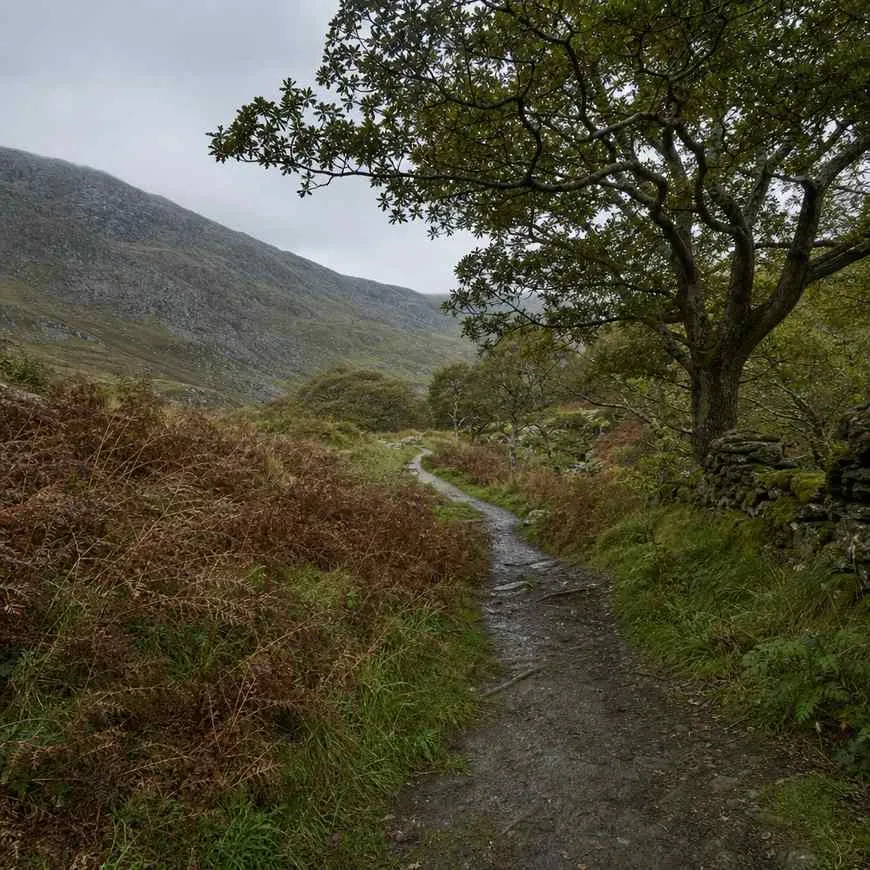
The easiest way to get children off a screen is to give them something more interesting. It sounds simple, and mostly it is.
Kids who are bored at home are often not bored at all once they are outside.
A stream with stepping stones, a rocky path to pick across, a summit to aim for, a view nobody told them to notice: children engage with these things on their own terms.
Walking together also creates conversation that would not happen at home.
There is something about moving side by side, with no eye contact required, that loosens talk. Most parents and older children find it easier to chat on a walk than at a dinner table.
Building confidence in small steps
A child who makes it to a modest summit has done something real. It does not matter that plenty of adults do it every day. They did it, and they know they did it.
That slow accumulation of things you actually finished: a harder path, a higher hill, a longer day: builds something more useful than a certificate.
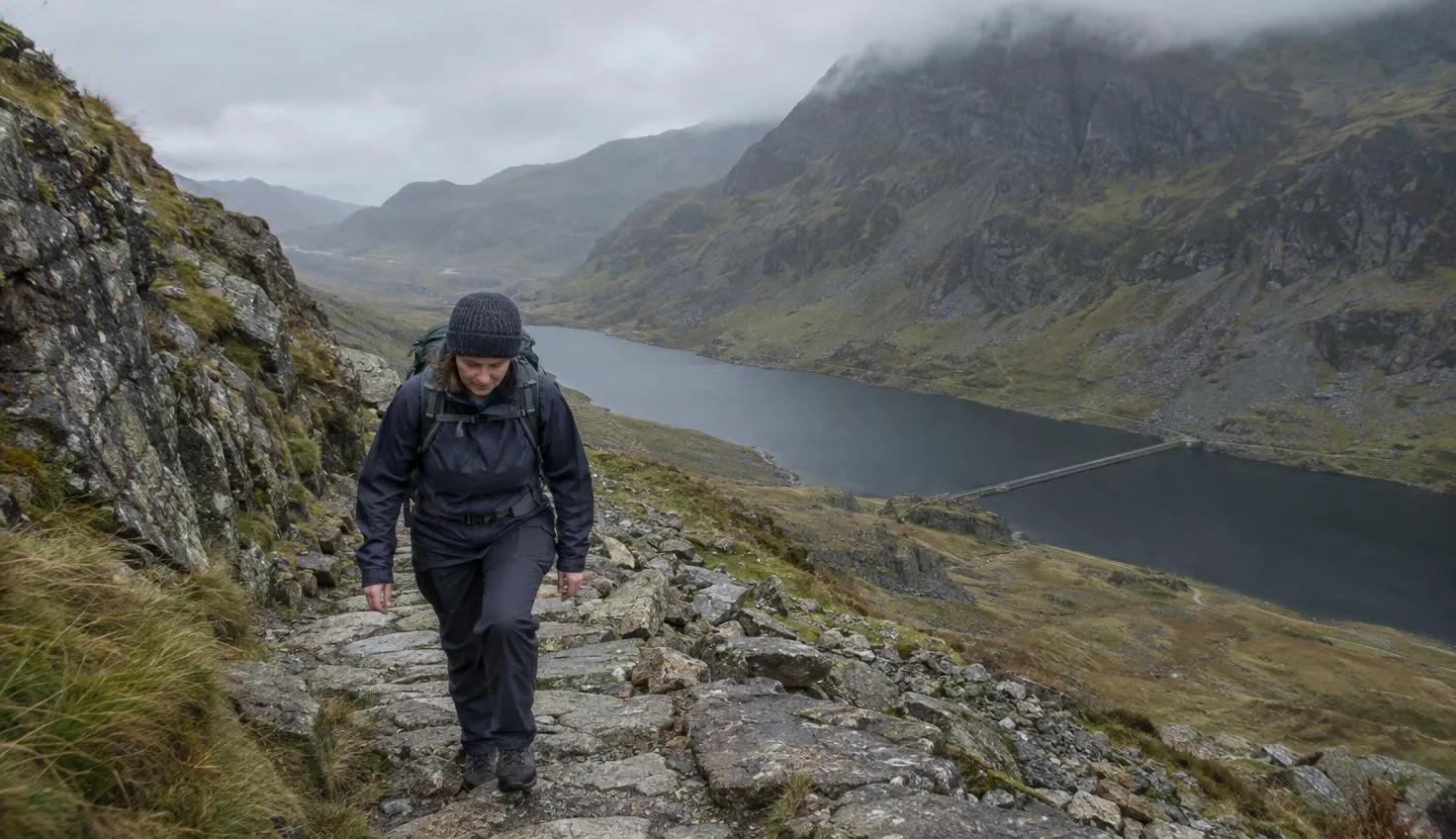
A child who has walked up a Welsh hill on a grey Tuesday in October, got cold and tired and kept going, has a different relationship with difficulty than one who has not.
That kind of thing is hard to teach indoors.
The same applies to adults returning to the hills after years of sitting work.
There is a short section on starting with the easier Snowdonia walks if you want to build up gradually rather than setting off up Yr Wyddfa first.
The practical case: cheap and genuinely accessible
Walking is one of the cheapest family activities there is.
Snowdonia is within two or three hours of most of the English Midlands and the North West.
The hills are free to use, and many of the best routes for families, the lower paths around Llyn Gwynant, the shoreline at Llyn Padarn, the gentler valleys below Moel Siabod: involve no summit fees, no booking and no kit beyond sensible shoes and a waterproof.
The main barrier is the belief that you need to be more prepared, more fit, or more experienced than you are. For most family walks in the lower hills of Eryri, you do not.
Starting well with children
A few things that make the difference on a first family walk in the hills:
- Go shorter than you think you need to. A tired and grumpy four-year-old at the halfway point will define the memory of the day. Add distance on the next trip.
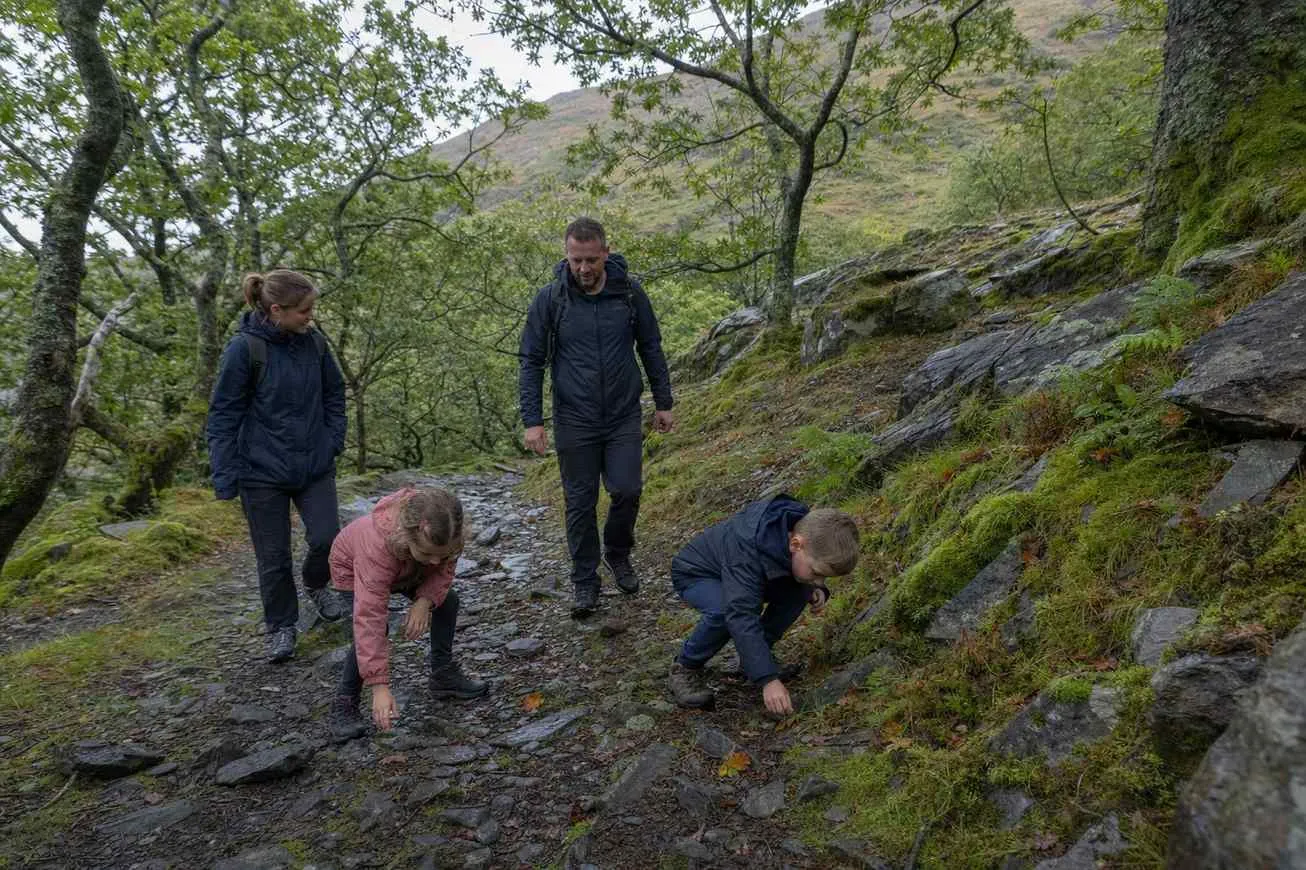
- Let them stop. A stream, a patch of mud, an interesting stone: these are not delays. They are the walk, as far as your children are concerned.
- Bring more snacks than seems sensible. Morale and calories are closely connected outdoors.
- Pick a route with a clear turnaround point, so you are not guessing how much further the end is.
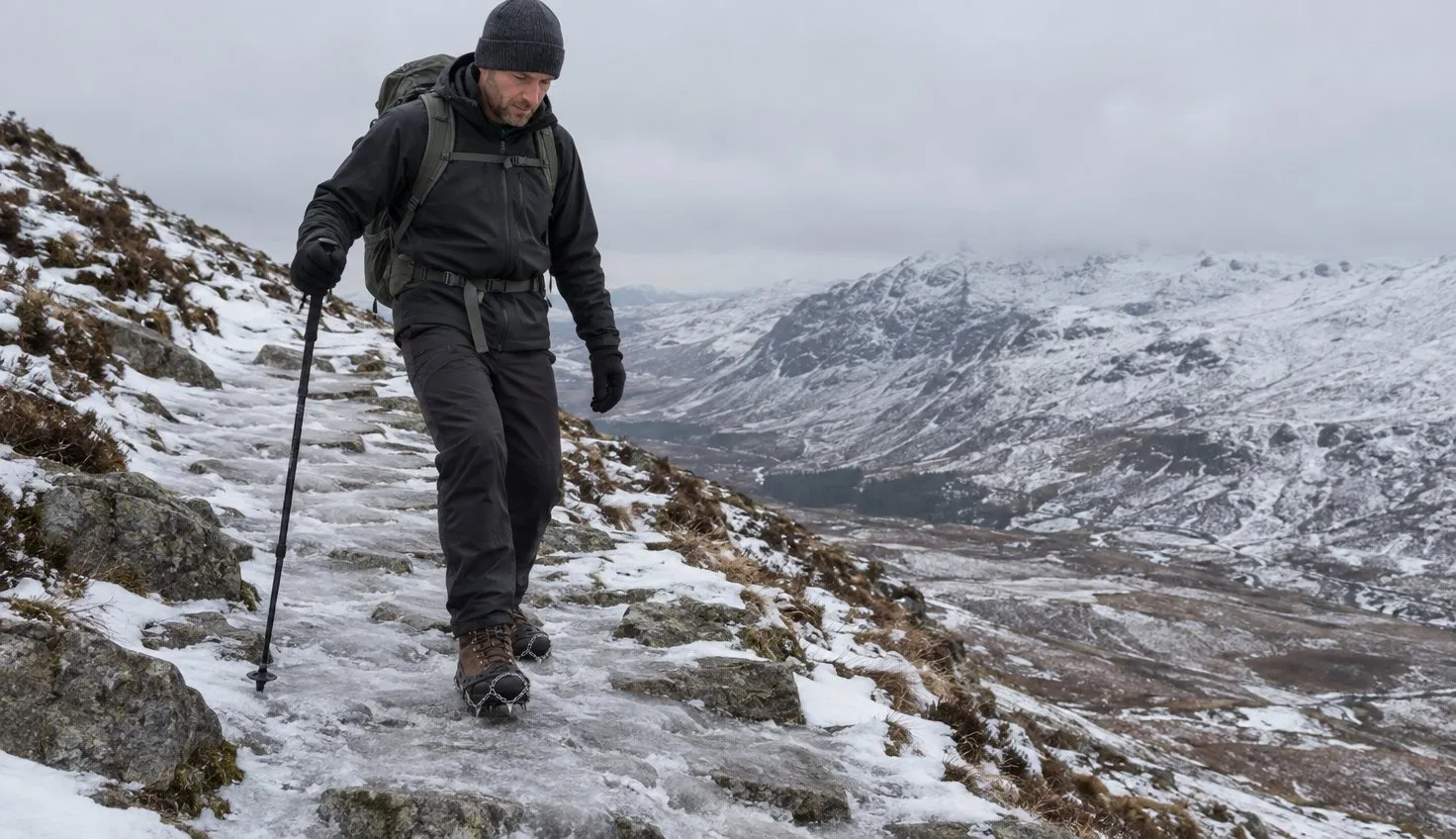
- Check the weather before you leave. Not the general forecast: the actual conditions for where you are going. Welsh hills can be cold, wet, and breezy when the valley is fine. That is fine for a well-dressed family. It is miserable if you are in jeans and cotton.
The Eryri (Snowdonia) National Park Authority publishes up-to-date guidance on walking in the national park, including advice on paths suitable for younger walkers.
Where to start
You do not need to begin with Snowdon.
The national park has dozens of shorter, gentler options that work well for families, paths that are clear underfoot, manageable in a couple of hours, and rewarding without being a full mountain day.
Starting modest and building up is how most regular hill walkers got here. Nobody’s first day out was Yr Wyddfa in January.
We compile and explain public route and safety information. We guide nobody and sell nothing on the hill.
If you are not sure where to begin, the beginner-friendly walks in Snowdonia guide covers paths that suit families, newer walkers, and people returning to the hills after a gap.