
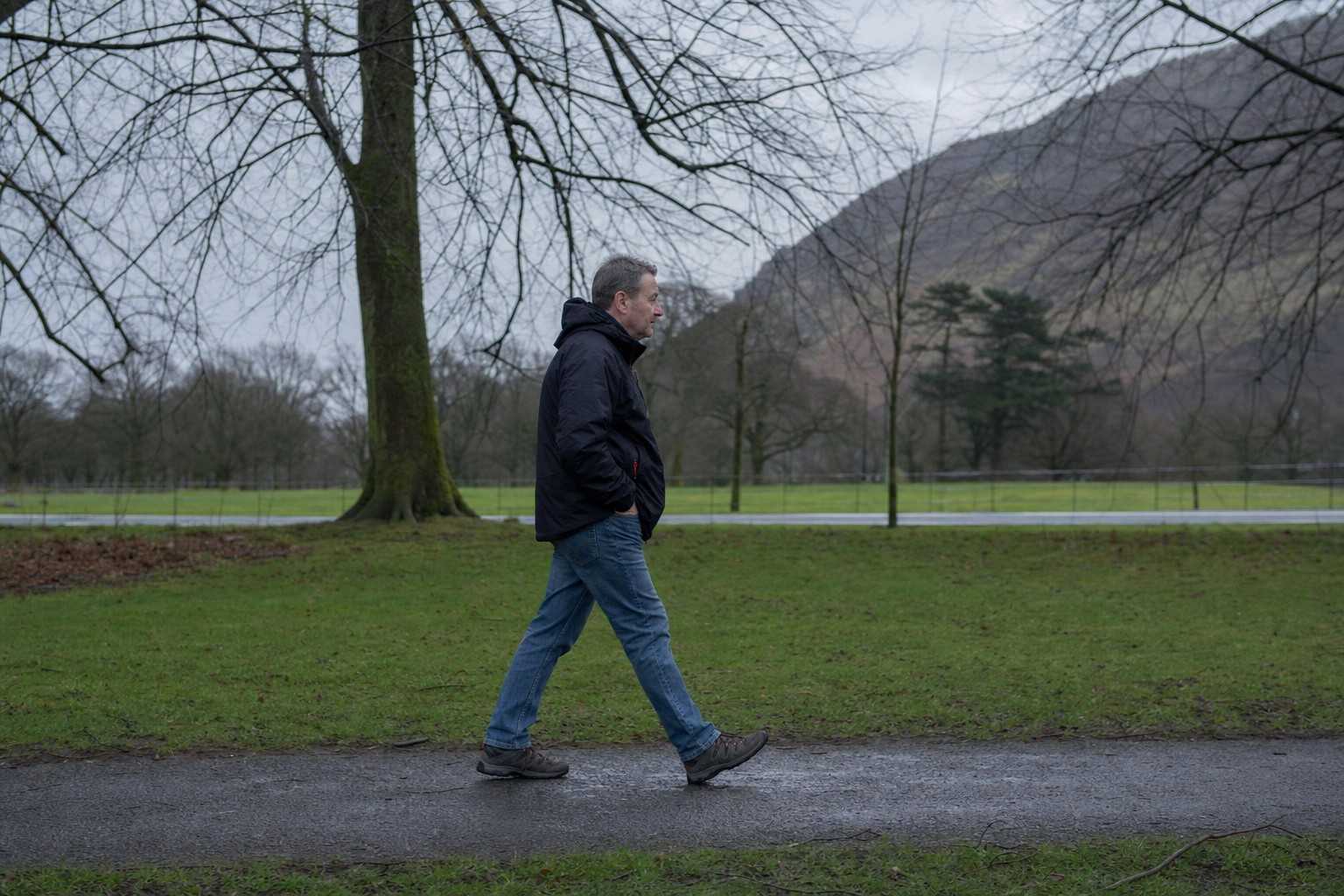
If most of your day happens in a chair, the idea of “getting fit” can feel like a wall.
So forget getting fit for a moment. The first goal is just to move a little more than you did yesterday. Walking is the easiest way to do that. It needs no gym, no special kit, and no experience, and you can start outside your own front door today.
Here is how to begin without overdoing it.
Start smaller than you think
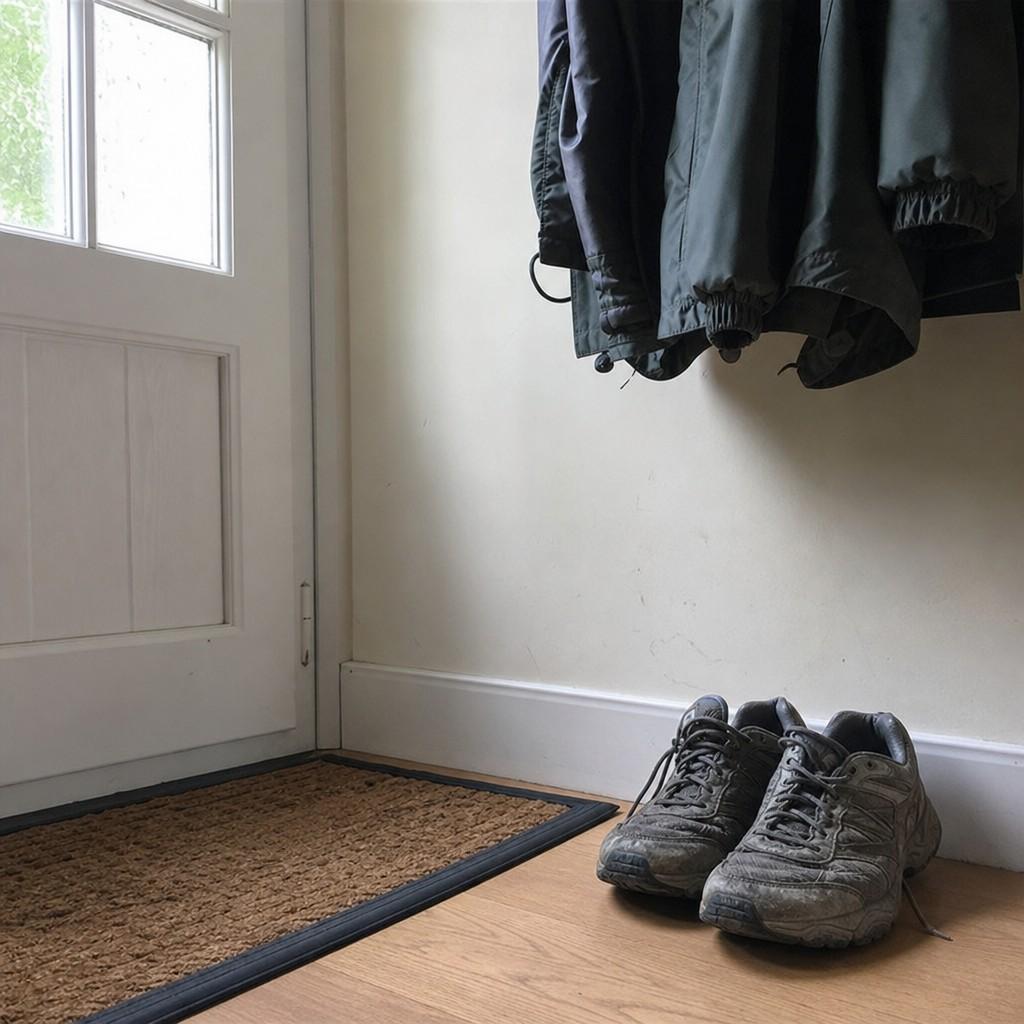
The most common mistake is going too hard on day one, aching for three days, and quietly giving up.
Begin with ten minutes. A short walk you actually repeat beats a long one you dread. Ten minutes today, ten tomorrow, and let it grow on its own.
If ten feels easy, add five. There is no prize for rushing this.
Any walking counts
Every bit of walking counts. You do not need a route, a step target, or a fancy watch to benefit. A walk to the shop counts. A loop around the block counts. Pacing the garden while you are on the phone counts.
The NHS suggests adults aim for about 150 minutes of moderate activity a week, which sounds like a lot until you break it down.
That is just over 20 minutes a day, or three half-hour walks with rest days in between. A target to build towards, not a test to pass tomorrow.
“Moderate” simply means you are breathing a little harder but can still hold a conversation. If you can sing, push on a touch. If you cannot talk, ease off.
Make it stick
Motivation fades. A habit is what carries you through the grey days.
Anchor the walk to something you already do. A lap after lunch. A walk to collect the paper. The same slot each day, so you stop deciding and just go.
A few things that help:
- Lay your shoes by the door the night before.
- Walk with someone, even once a week, so you turn up.
- Track the days, not the distance. A row of ticks is its own reward.
Miss a day? It does not matter. Just go the next day. One missed walk is nothing; two missed weeks is how habits quietly die.
It gets easier sooner than you expect
The first week is the hardest, because nothing feels different yet and your body is not used to it.
Then it turns a corner.
Give it two or three weeks and most people notice they are sleeping better, the same walk feels shorter, and the hills that used to nag at them have eased off. That is the point where walking stops being a chore and starts being something you miss when you skip it.
Where to walk
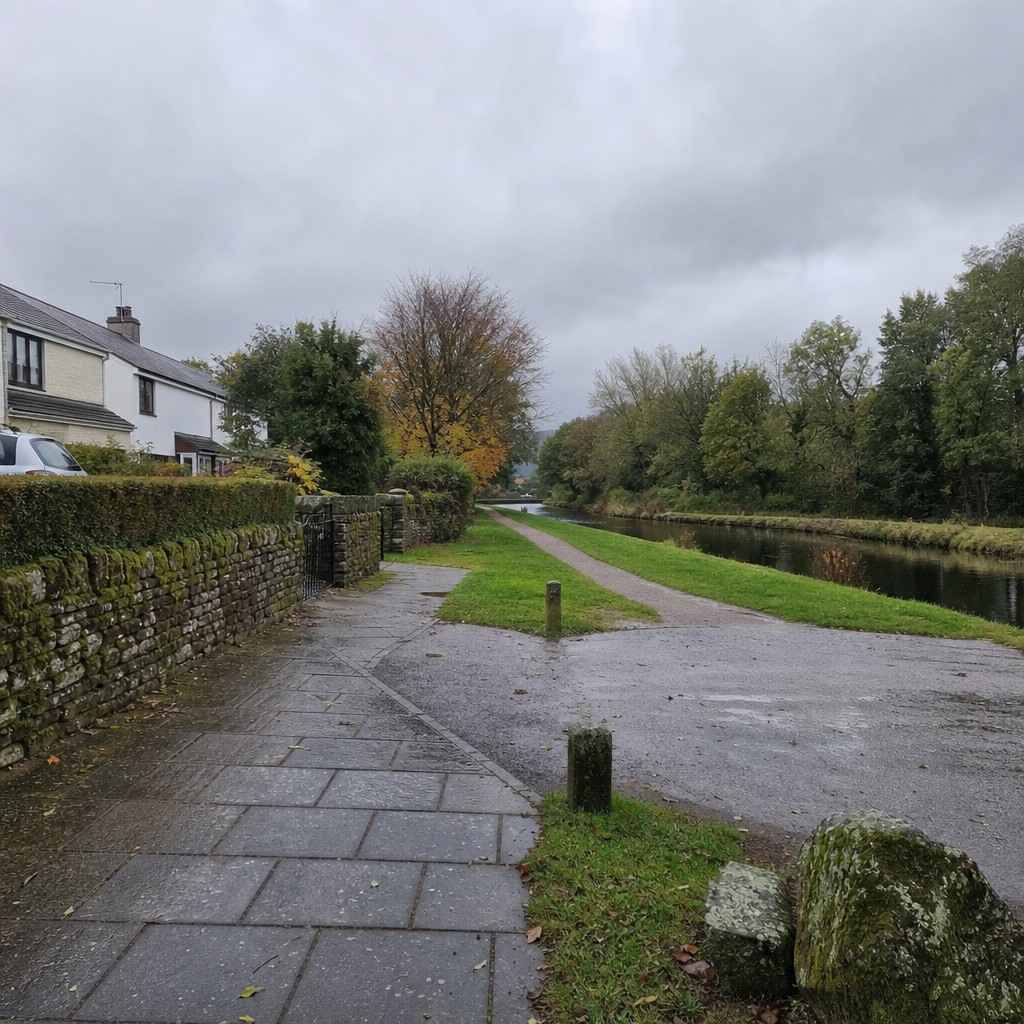
Start flat and familiar. Pavements, a local park, a canal towpath, anywhere you feel safe and can turn back easily.
Once a half-hour walk feels comfortable, you can start adding gentle gradients and softer ground. Our guide to getting more out of your daily walk covers how to build from there.
And when flat walks start to feel too easy, the hills are waiting. You do not have to start with a mountain. A handful of beginner-friendly walks in Snowdonia make a gentle, scenic step up from the pavement when you are ready for one.
The hardest part is the first ten minutes on the first day. After that, you are simply someone who walks.
Leave a Reply