On 8 October 2026 the Met Office, the UK’s national weather service, listed sunrise on its Snowdon summit forecast as 07:30. That is the one fixed point in the plan, and every other time works back from it.
Your start time is sunrise, minus your climb time, minus a margin. The sunrise figure changes from day to day, so read it for the day you go.
A night ascent is sensible on a path you have already walked in daylight, in settled weather, with the right kit. It is not sensible on an unknown path or in poor weather.
Is a night ascent sensible?
AdventureSmart UK, whose pages set out safety questions to ask before you set off, says you do not have to head for home at dusk. Its advice for night walking is to plan, and to pick the night.
It recommends settled, clear weather and a check of the night forecast.
It adds that there is no disgrace in being a fair-weather night walker.
Pick a settled, clear night. Go with company if you can. If you go alone, tell someone your plan and when you expect to be back.
Which path suits a night ascent
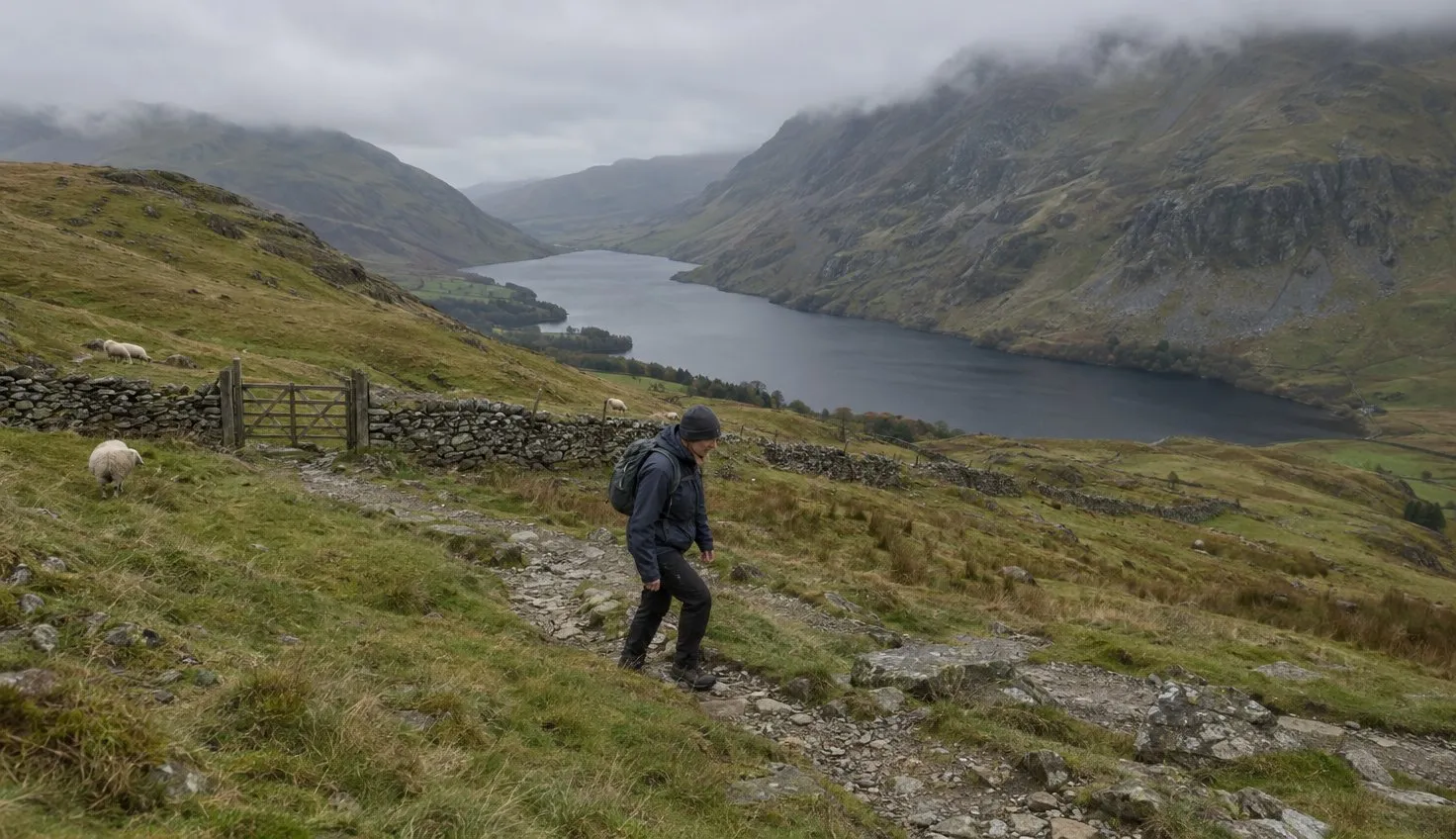
AdventureSmart’s rule is to choose a route you have walked in daylight.
It will look and feel different in the dark, but the ground will be familiar.
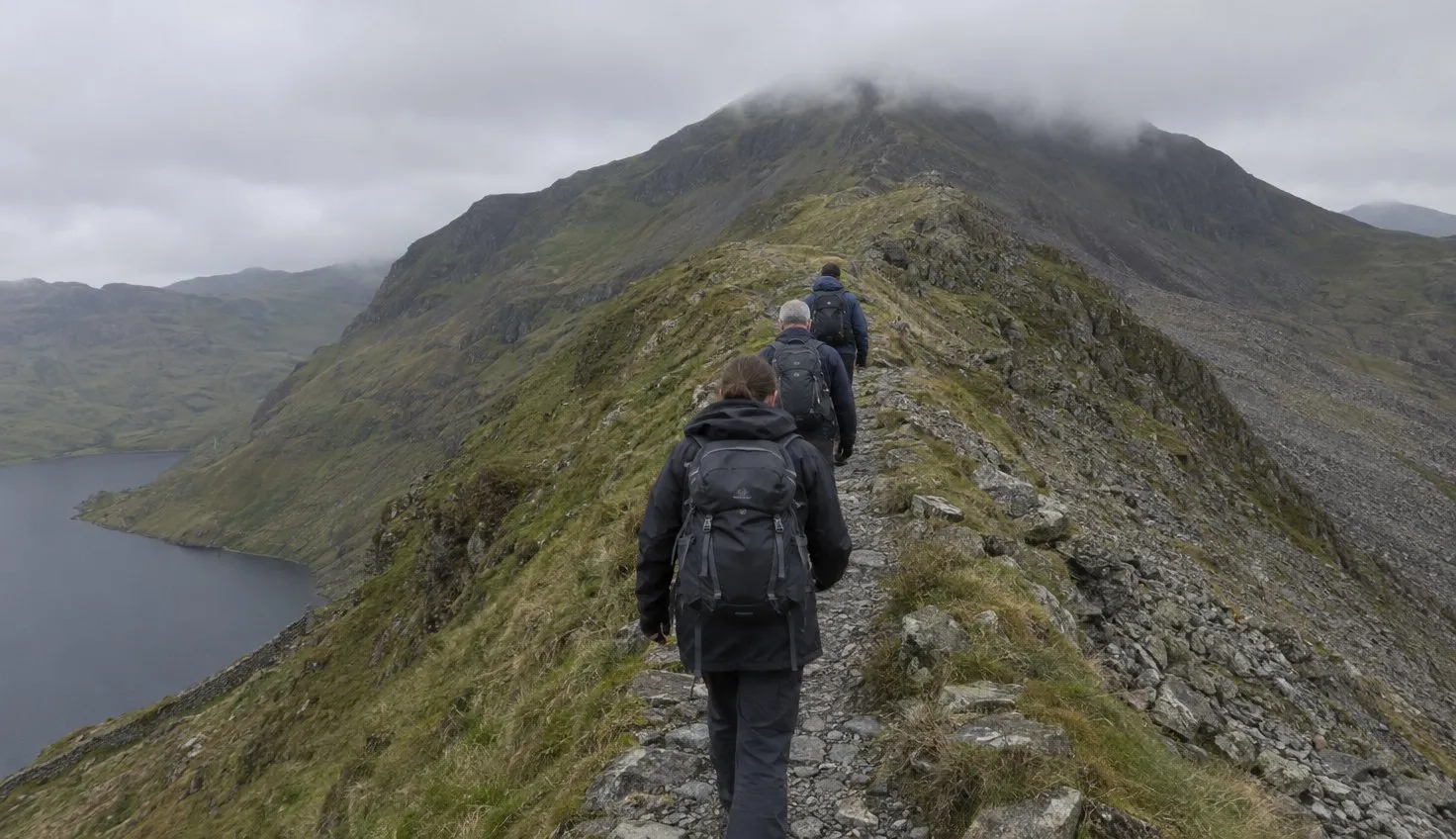
It also says to stick to obvious paths.
With nothing to see beyond your torch beam, you can misjudge how far you have come.
For a night ascent, only paths you have already walked make the shortlist, so compare the paths up Snowdon in daylight first.
The winter warning
The British Mountaineering Council, the national body for climbers and hill walkers, ran a night-walk piece in 2016. A Llanberis Mountain Rescue member in it warns about the upper part of the Llanberis Path in winter.
He describes a convex slope there that has caused more deaths on Snowdon than the rest of the mountain put together. In winter, the convex upper slope is the main danger on the Llanberis Path.
His suggestion was the Snowdon Ranger path. Get your navigation sorted first, so you do not walk straight over the top of Cloggy.
The Eryri National Park Authority, the park’s managing body, adds that winter conditions need crampons or ice axes. You also need the skill to use them.
Work back from sunrise
Build the night backwards from the sunrise time.
- The day before: read the Met Office summit forecast’s hourly figures for the night. Then check the mountain forecast’s chance of cloud-free hill tops for the morning. Tell someone your route and your expected return.
- Find sunrise: the Met Office summit forecast lists sunrise for each day. On 8 October 2026 it gave 07:30.
- Take off your climb time: find the figure for your path under how long it takes to climb Snowdon. Count back from sunrise.
- Take off a margin: torchlight makes distance hard to judge, so leave more time than the sum says. You will also stop to add layers, eat and check the map.
- Walk, and eat a little and often: AdventureSmart suggests small, regular snacks to keep you going.
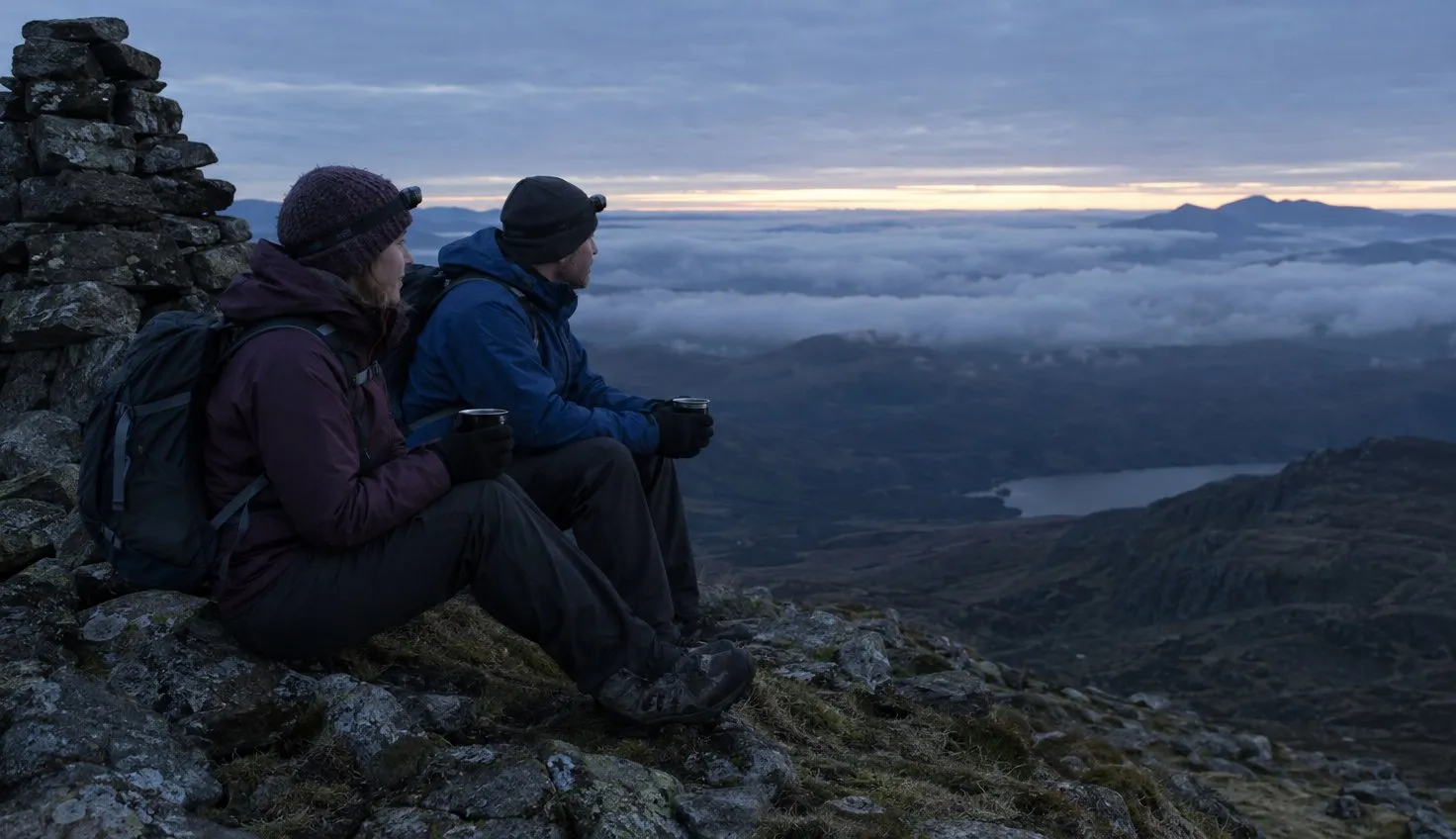
- Arrive before the light: reach the top while it is still dark, and wait there for the first colour.
- Come down in daylight: uneven ground is hard to see by torchlight.
If you cannot fit the climb and the margin before sunrise, start earlier or pick another day. Do not speed up to catch the sun.
Head torch and warm kit
AdventureSmart’s list begins with two torches and spare batteries. It says LED torches are the most reliable and that adjustable beams help.
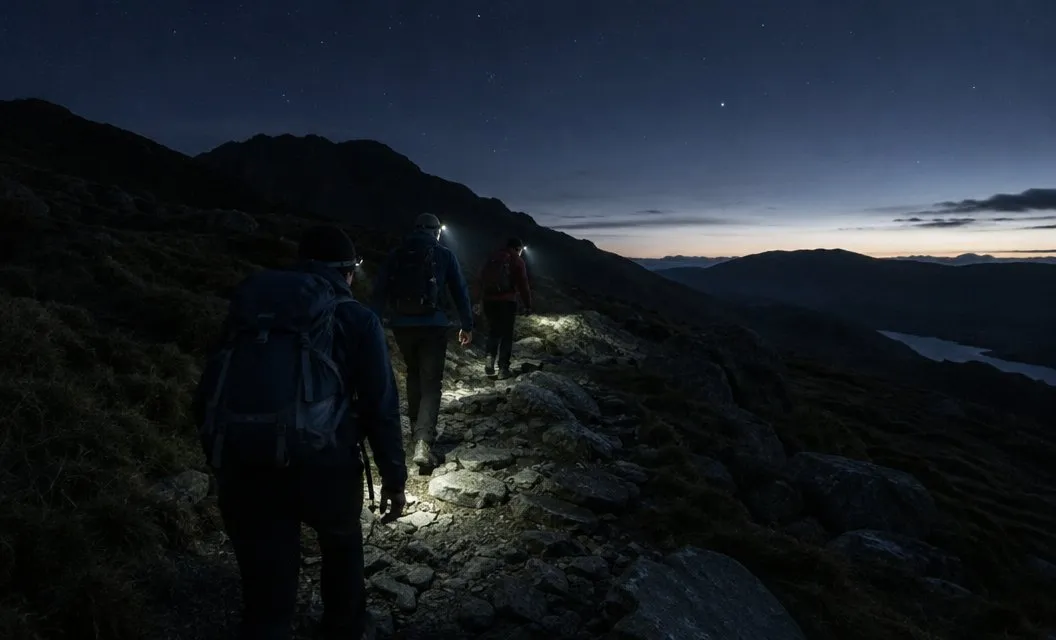
Wear a head torch so your hands stay free for the path, and carry a second light in case one fails. Carry the spare even if the first one is new.
Keep the beam low.
Torchlight can dazzle in mist, rain or snow, and it can flatten ground detail so you stumble.
The BMC piece adds a warning about flashing lights at night. They can be mistaken for a call for help and lead to a false call-out for mountain rescue.
The rest of the kit is the daytime kit with warmer additions:
- plenty of layers, a fleece, gloves and spare dry socks
- a map and compass, and the know-how to use them in the dark
- a charged phone and a power bank
- food for eating little and often
The cold at the top before the sun
The Eryri National Park Authority says it is much colder, wetter and windier at the summit than lower down. AdventureSmart says it can be close to freezing in the early morning even in summer.
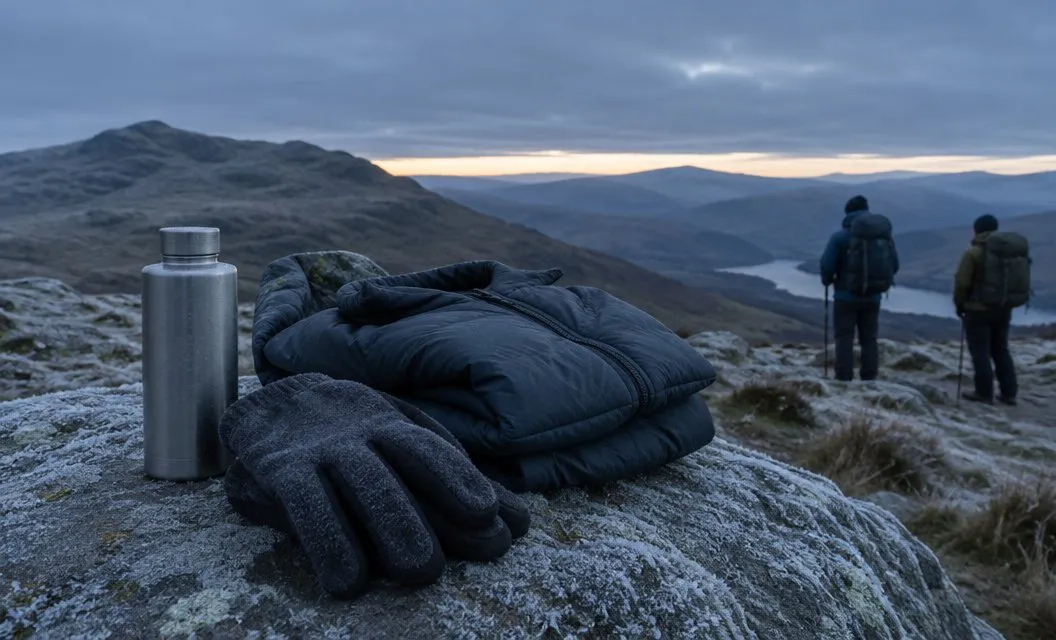
The Met Office mountain forecast warns that strong wind can bring a chill many degrees below the actual temperature, worse in rain. Treat the wait for sunrise as the coldest part of the night.
Put your extra layers on as you reach the summit, before you stand still. Keep your gloves and a spare pair of socks dry in the bag until you need them.
When to call it off
Cancel or turn back if any of these is true:
- the night forecast is not settled and clear, or cloud is forecast over the hill tops
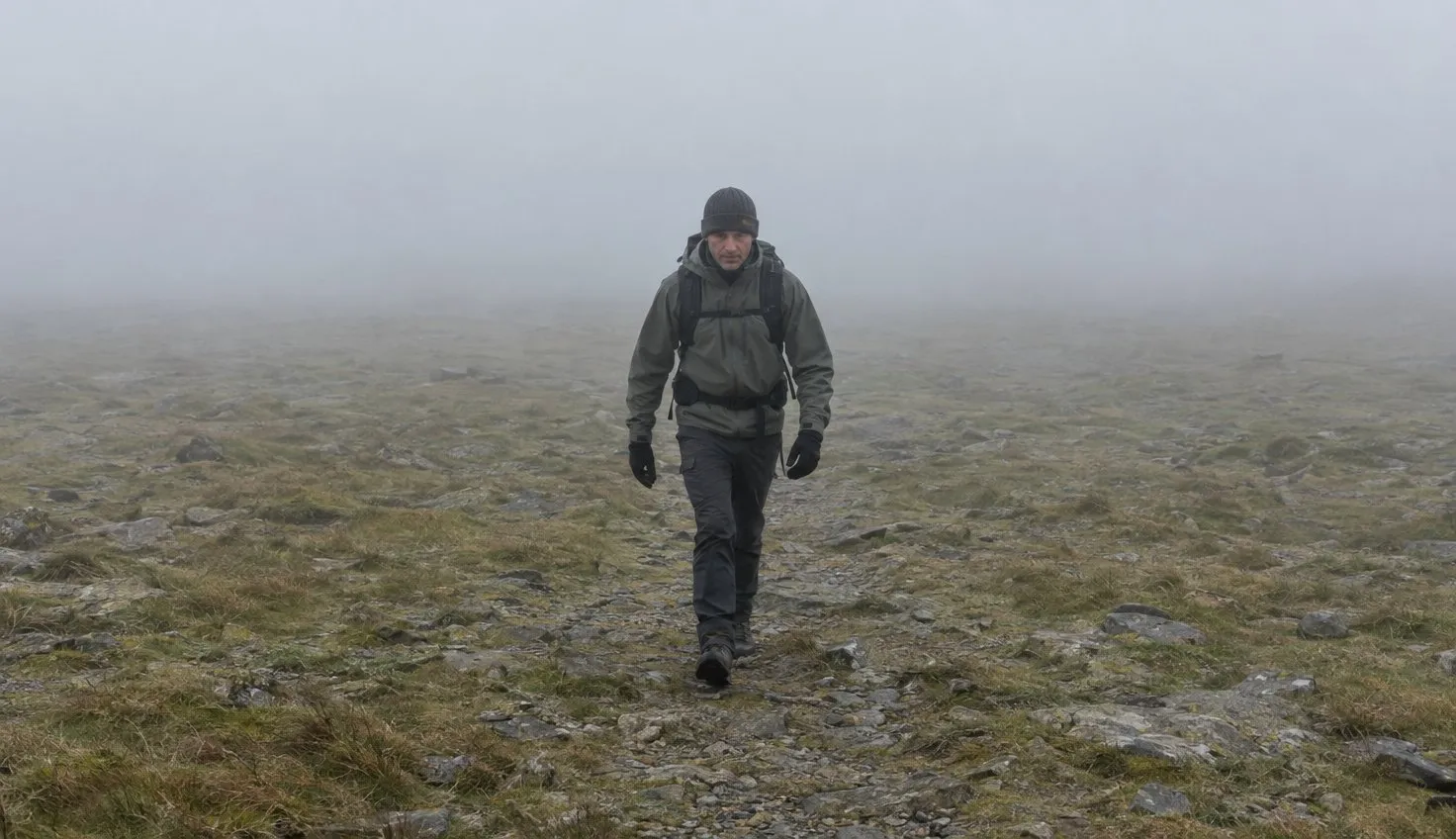
- mist closes in, because torchlight dazzles in it and distances become hard to judge
- you have not walked the path in daylight
- it is winter and you do not have crampons, ice axes and the skill to use them
- you are tired, cold or feeling intimidated
We compile and explain public route and safety information. We guide nobody and sell nothing on the hill.
AdventureSmart UK says it is OK to turn back if you feel intimidated or are getting tired.